Archive
This is where the publication becomes a record: every published story stays searchable, filterable and editorially legible.
Search stories
From the archive
Why Do We Cheer for Violence We Watch Through a Screen?
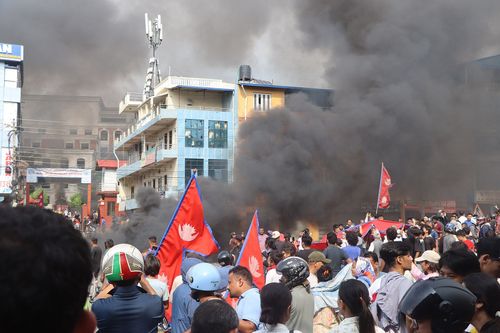
In Tirana, rubbish bins are burning, traffic lights are being smashed and protesters are clashing with police. On social media, some viewers greet these scenes with enthusiasm. We saw similar reactions during protests in Serbia, and last year in Nepal. Why do we feel the need to see violence as proof that something is finally changing? And how willing would we be to support it if, instead of holding a phone, we were standing in front of a police cordon?
You Have the Right. But Can You Afford to Defend It?
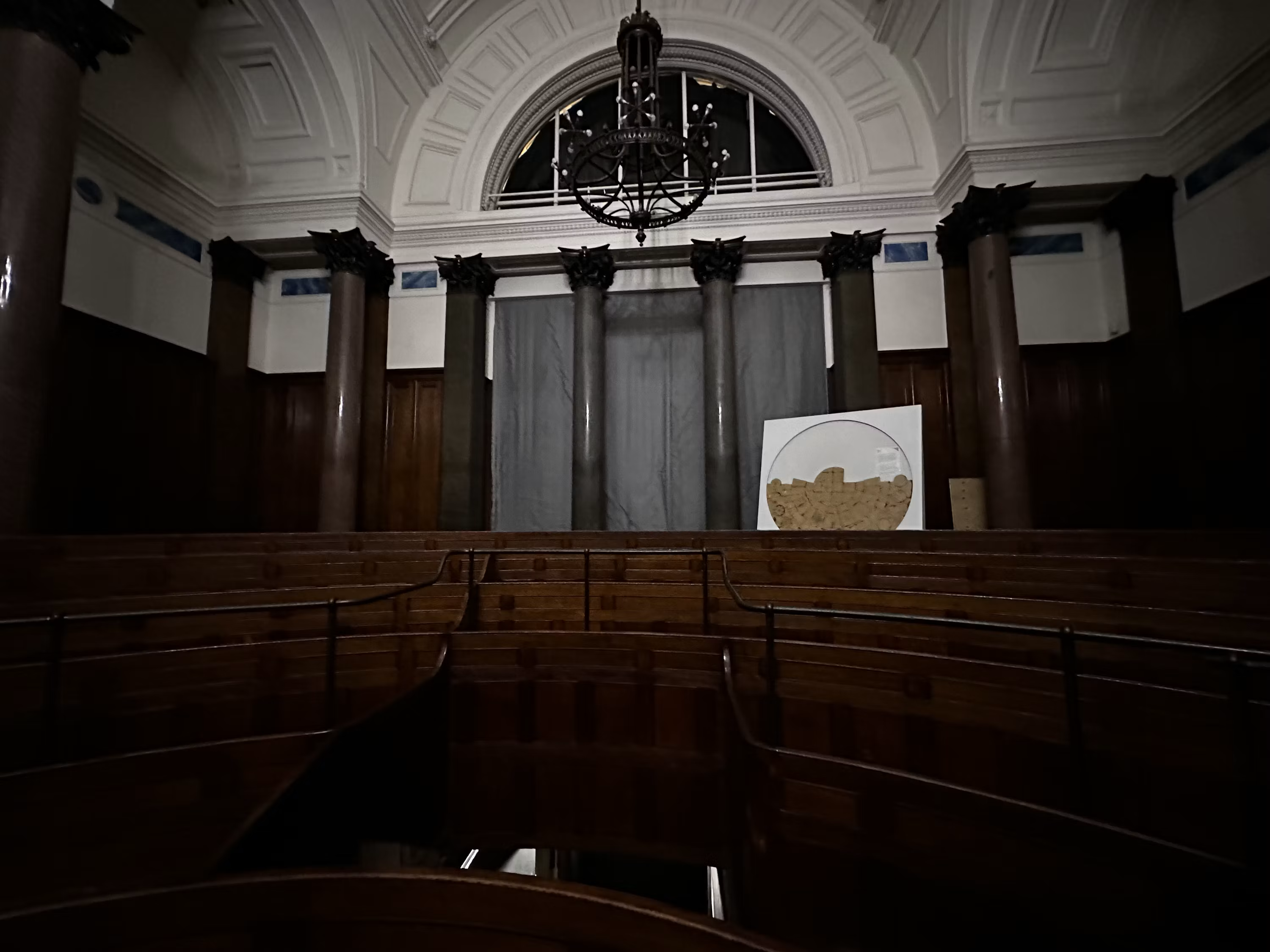
The Constitution guarantees equality before the law, but going to court can involve costs that someone on an average income may struggle to bear. Lawyers, court fees, expert assessments, lost working days and years of waiting often determine how capable a person really is of protecting their rights. Serbia has a free legal aid system. The problem is that many people do not even know it exists, while some discover it only when it is already too late.
Results: 25
Why Do We Cheer for Violence We Watch Through a Screen?
In Tirana, rubbish bins are burning, traffic lights are being smashed and protesters are clashing with police. On social media, some viewers greet these scenes with enthusiasm. We saw similar reactions during protests in Serbia, and last year in Nepal. Why do we feel the need to see violence as proof that something is finally changing? And how willing would we be to support it if, instead of holding a phone, we were standing in front of a police cordon?
You Have the Right. But Can You Afford to Defend It?
The Constitution guarantees equality before the law, but going to court can involve costs that someone on an average income may struggle to bear. Lawyers, court fees, expert assessments, lost working days and years of waiting often determine how capable a person really is of protecting their rights. Serbia has a free legal aid system. The problem is that many people do not even know it exists, while some discover it only when it is already too late.
From Left-Wing Form to Right-Wing Substance: The Paradox of the Student Movement
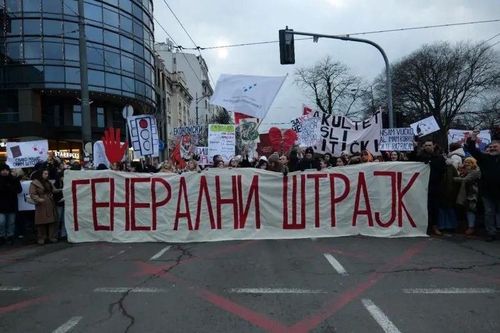
The student movement has brought plenums, direct democracy and collective decision-making back into Serbia's political life. However, Emir Bihorac asks why workers' rights, class relations and economic democracy have been largely absent from this model. He examines how a movement using methods traditionally associated with the left may narrow the space for its development and what consequences this could have for democracy.
Who Said the 21st Century Had to Be Better?
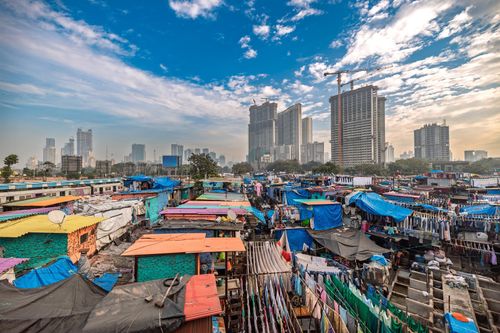
Wars, poverty, violence, discrimination, people without water or electricity. Whenever something happens that we consider unacceptable, someone will almost certainly say: “How is this possible in the 21st century?” That sentence reveals how accustomed we have become to believing in progress that is supposed to happen on its own. But history has no obligation to improve simply because the date has changed.
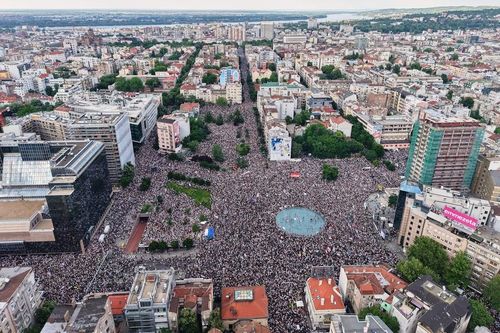
Serbia on the brink of what? Polarisation, political conflict and the myth of civil war
Emir Bihorac examines the political polarisation between supporters of the SNS and the student movement and argues that deep divisions do not mean Serbia is heading towards civil war, while warning of a longer-term erosion of the political process itself.
From self-criticism to civilisation: How societies change when they learn to question themselves
Emir Bihorac writes about self-criticism as a civilisational skill and about societies that find it far easier to identify an external culprit than to confront their own responsibility. Through examples from Belgrade and Sandžak, universities, politics and religious institutions, the text examines the gap between knowledge, rules and their actual implementation.
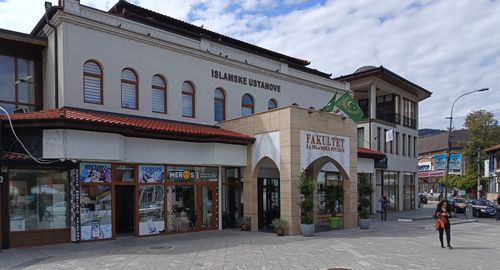
Bosniaks Between Functionality and Moral Education
Starting from Kant, the Islamic tradition and the contemporary position of Bosniaks, Emir Bihorac examines the relationship between functional institutions and the moral education of the individual, the problem of living between two models, and the question of which social direction Bosniaks, particularly in Sandžak, should choose.
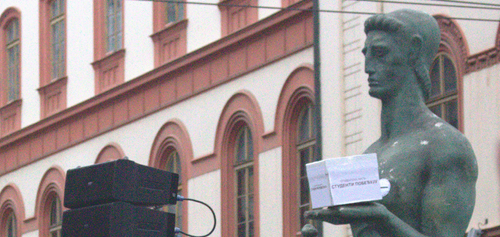
Pobednik Returned to Terazije, This Time with a Student Box
Almost a century after Ivan Meštrović envisioned Pobednik for Terazije, its student version passed through central Belgrade on the way from the Rectorate to the Republic Electoral Commission. The figure that once represented military victory was now holding a box marked “Students Win”. There is much more behind that image than a good photograph.
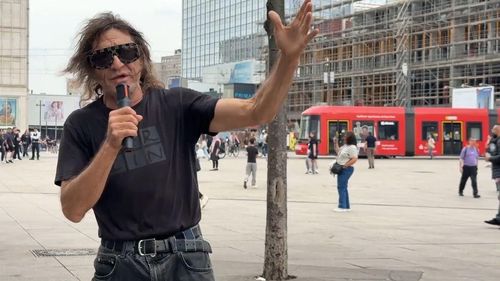
Twenty Minutes of Being Human
What happens when strangers stop seeing one another as political categories, profiles and members of the “other side” for twenty minutes and simply dance together? A Berlin street performance opens a much larger question: how much do societies need spaces where people can simply be together without arguing, buying or needing an enemy?
The Pathology of Normality: Why Normal People Do Not Need to Advertise Themselves as Normal
SDP in Novi Pazar is building its campaign around the messages “time for normality” and “human”. After almost two decades in local government, the question is no longer only what these slogans mean, but why normality and humanity are now being presented as something that needs to be politically proven.
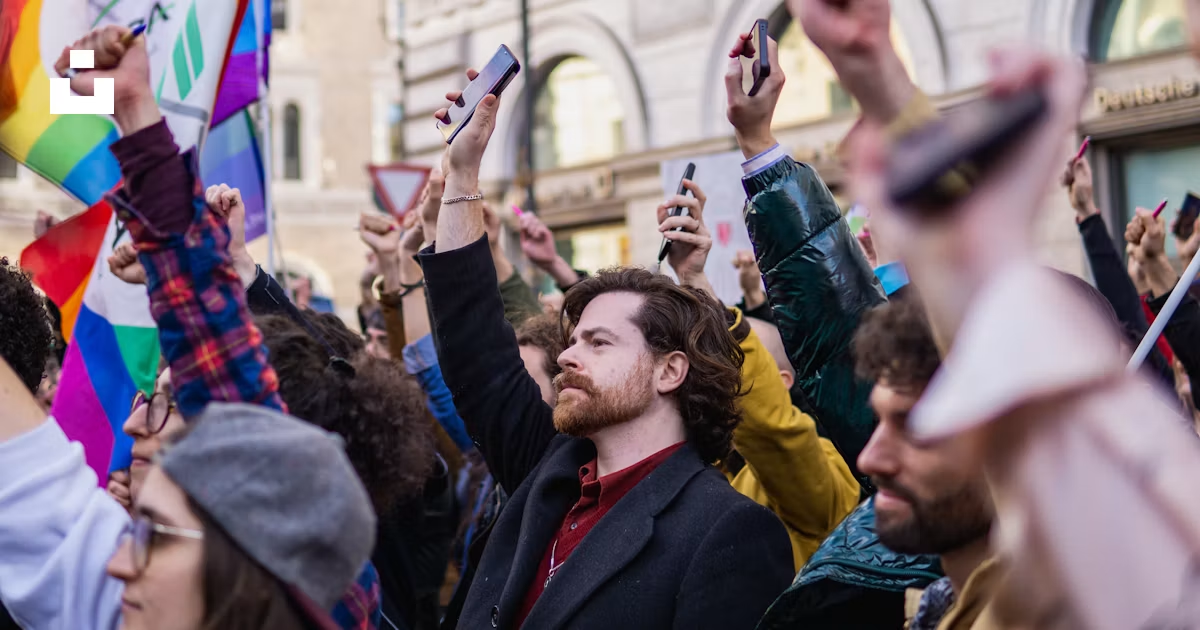
Why the Public Demands Revenge Before Facts
After a crime, disaster or public scandal, facts arrive slowly while verdicts come quickly. Anger demands a name, a face and punishment, while the media, social networks and politicians often reward the version of events that is first to provide someone to blame.

We Worked While Sick to Reach Retirement. Then We Search for the Elixir of Youth
For years, going to work despite illness has been presented as responsibility and dedication. But the body does not recognise years of service, and retirement cannot restore the health, energy and years we spent waiting for life to begin later.