Archive
This is where the publication becomes a record: every published story stays searchable, filterable and editorially legible.
Search stories
From the archive
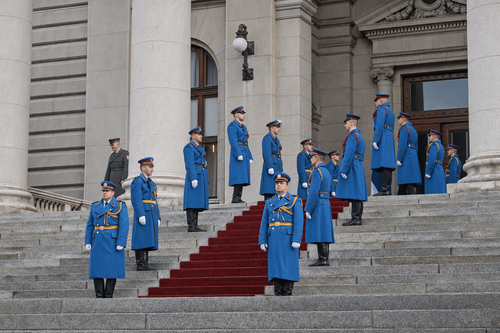
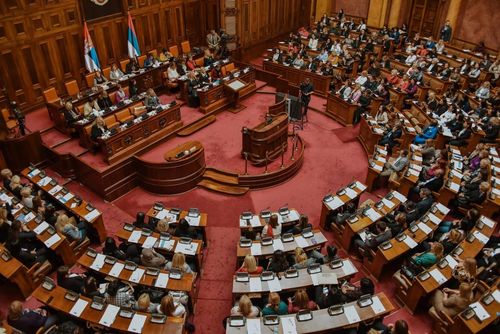
The Guard on the Steps, a New Majority in Parliament's Seats
The first day of Serbia's 15th National Assembly began with a ceremonial welcome and excitement among newly elected MPs, but ended without the election of a parliamentary speaker. With 140 seats, the Students' List secured a majority, yet the debate showed that a shift in political power does not mean an end to the conflicts that have marked recent years.
Environmental Standards Cataloguing as a Key to Sustainable Development
Environmental regulations in Serbia are spread across numerous laws and administrative rules. Bringing them together into a single digital database could simplify the work of specialists, improve spatial planning and help protect natural resources before damage occurs.
Results: 45
The Guard on the Steps, a New Majority in Parliament's Seats
The first day of Serbia's 15th National Assembly began with a ceremonial welcome and excitement among newly elected MPs, but ended without the election of a parliamentary speaker. With 140 seats, the Students' List secured a majority, yet the debate showed that a shift in political power does not mean an end to the conflicts that have marked recent years.
Environmental Standards Cataloguing as a Key to Sustainable Development
Environmental regulations in Serbia are spread across numerous laws and administrative rules. Bringing them together into a single digital database could simplify the work of specialists, improve spatial planning and help protect natural resources before damage occurs.
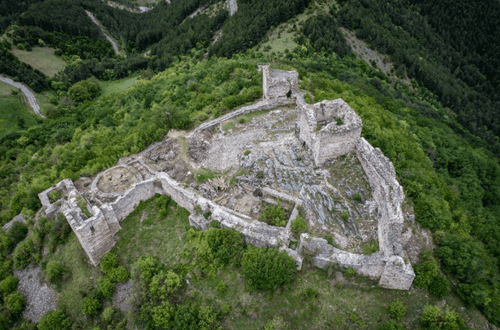
When Climate Change Threatens Monuments: What Can Software and Sensors Do?
Flash floods, extreme temperatures and moisture are posing increasingly serious threats to immovable cultural heritage. Regional climate models, smart sensors and modern conservation techniques offer new possibilities for protecting historic structures before irreversible damage occurs. But technology alone is not enough without investor accountability, clear legal frameworks and the involvement of local communities.
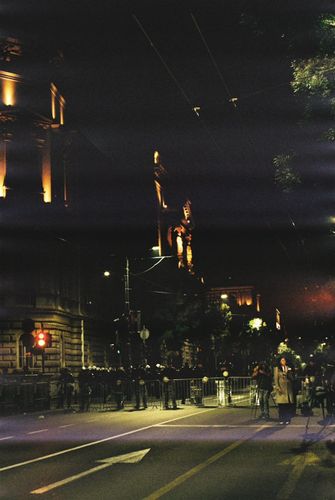
The Illusion of Freedom in a Democracy
Elections give citizens the right to choose their government, but they do not guarantee that those in power will listen to them afterward. Through student protests in Serbia, the right to public dissent and the question of political accountability, this article examines the difference between democracy on paper and democracy as people actually experience it.
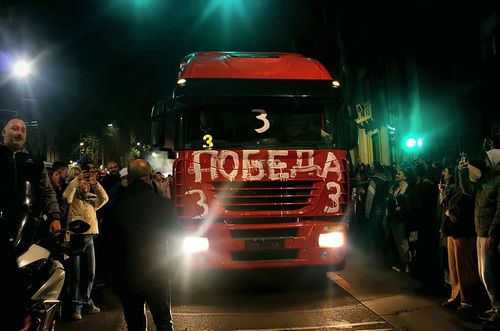
From Police Cordons to “VICTORY”: Belgrade, 25 October
Election day in Belgrade began with queues outside polling stations and a growing police presence in the city centre. It ended with the Student List’s victory, celebrations in the streets and citizens entering Pionirski Park. Through 68 original photographs, Avangarda documents 25 and 26 October, from the uncertainty of the morning to the removal of barriers and the clean-up of the park.
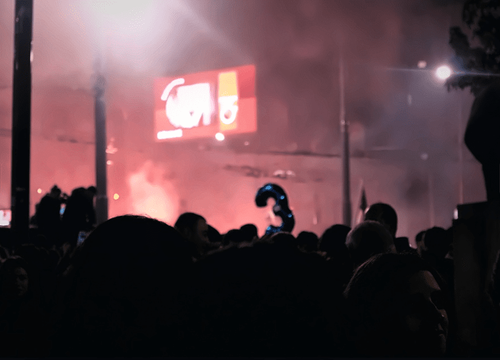
The Victory That Came on Foot
Almost two years ago, a protest movement began in Serbia that many doubted could bring about political change. Between the first minutes of silence and the electoral victory on 25 October came months of blockades, long walks, conversations, confrontations, disappointment and persistence. For me, that period was also an opportunity to reconsider my own belief that those in power could only be removed through violent rebellion. It turned out that we could have learned far more from history than we thought.
Women on the Ballot, Men at the Top: What Is Electoral Equality Worth?
In Serbia's parliamentary elections scheduled for 25 October 2026, political parties are once again highlighting the number of women among their candidates. Some take particular pride in the fact that women make up a majority on their lists. This is certainly worth noting, but it leaves open the question of how much influence female candidates have over party decisions and what power they will hold if elected. An OSCE report on gender equality in Serbia's National Assembly shows why this distinction cannot be reduced to an electoral percentage.

Ahead of the BNC Elections: Democracy and Pluralism Before Unity, Authority, Parties and Projects
Ahead of the elections for the Bosniak National Council, Emir Bihorac examines the approaches of Bosniak political parties and proposes a different model: a non-partisan, secular and pluralistic Council that preserves Sandžak's heritage and protects the interests of all Bosniaks.
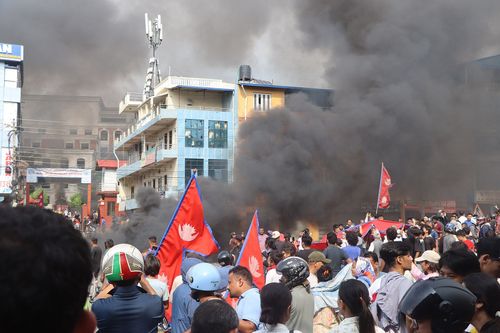
Why Do We Cheer for Violence We Watch Through a Screen?
In Tirana, rubbish bins are burning, traffic lights are being smashed and protesters are clashing with police. On social media, some viewers greet these scenes with enthusiasm. We saw similar reactions during protests in Serbia, and last year in Nepal. Why do we feel the need to see violence as proof that something is finally changing? And how willing would we be to support it if, instead of holding a phone, we were standing in front of a police cordon?
You Have the Right. But Can You Afford to Defend It?
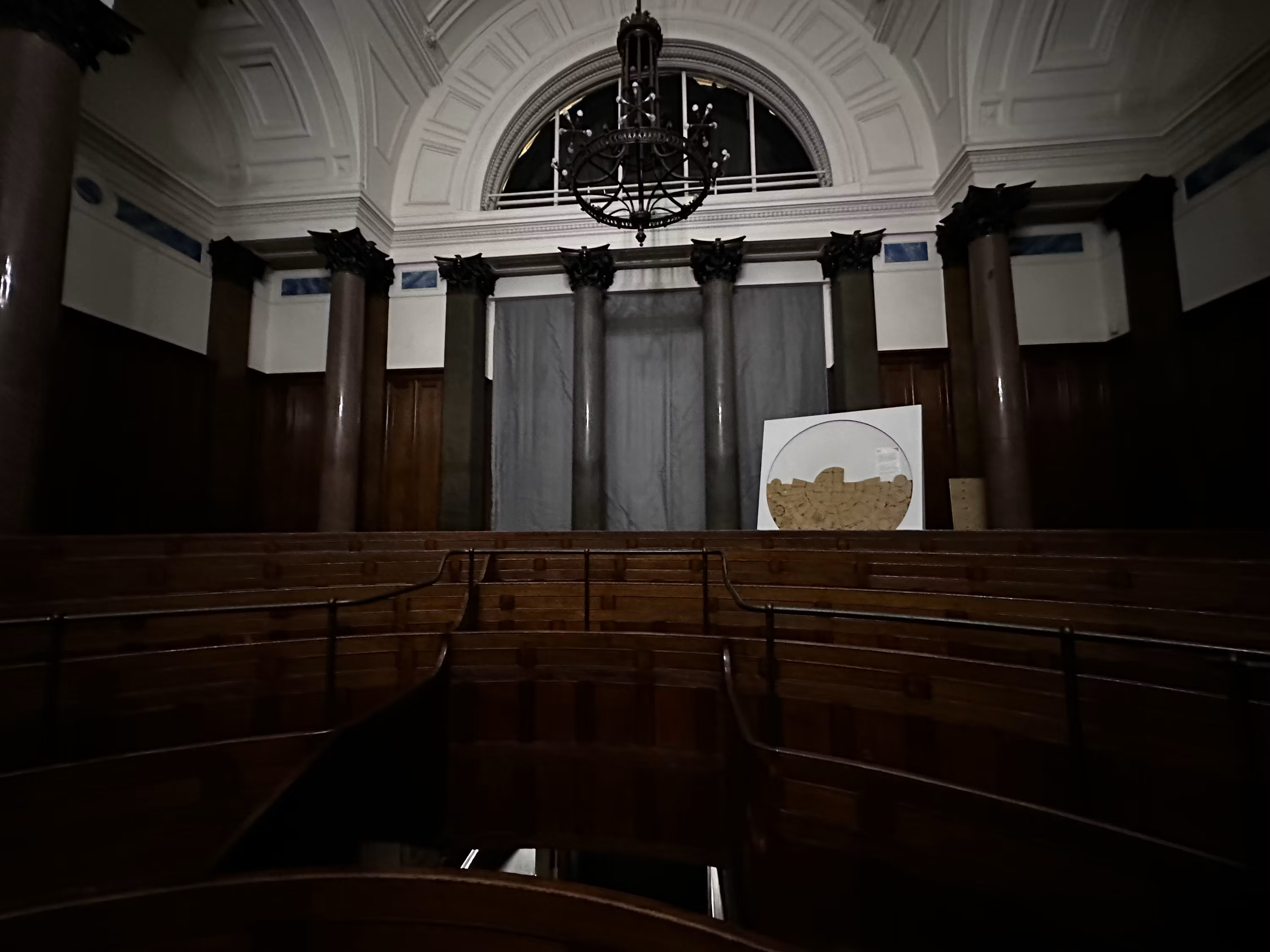
The Constitution guarantees equality before the law, but going to court can involve costs that someone on an average income may struggle to bear. Lawyers, court fees, expert assessments, lost working days and years of waiting often determine how capable a person really is of protecting their rights. Serbia has a free legal aid system. The problem is that many people do not even know it exists, while some discover it only when it is already too late.
From Left-Wing Form to Right-Wing Substance: The Paradox of the Student Movement
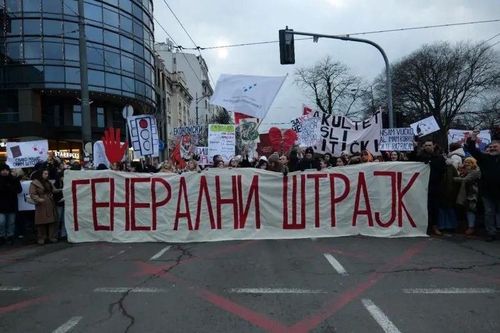
The student movement has brought plenums, direct democracy and collective decision-making back into Serbia's political life. However, Emir Bihorac asks why workers' rights, class relations and economic democracy have been largely absent from this model. He examines how a movement using methods traditionally associated with the left may narrow the space for its development and what consequences this could have for democracy.
Who Said the 21st Century Had to Be Better?
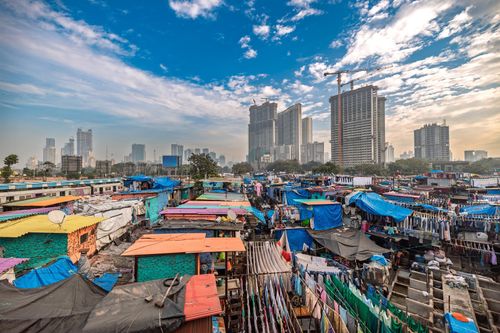
Wars, poverty, violence, discrimination, people without water or electricity. Whenever something happens that we consider unacceptable, someone will almost certainly say: “How is this possible in the 21st century?” That sentence reveals how accustomed we have become to believing in progress that is supposed to happen on its own. But history has no obligation to improve simply because the date has changed.