Archive
This is where the publication becomes a record: every published story stays searchable, filterable and editorially legible.
Search stories
From the archive

Ahead of the BNC Elections: Democracy and Pluralism Before Unity, Authority, Parties and Projects
Ahead of the elections for the Bosniak National Council, Emir Bihorac examines the approaches of Bosniak political parties and proposes a different model: a non-partisan, secular and pluralistic Council that preserves Sandžak's heritage and protects the interests of all Bosniaks.
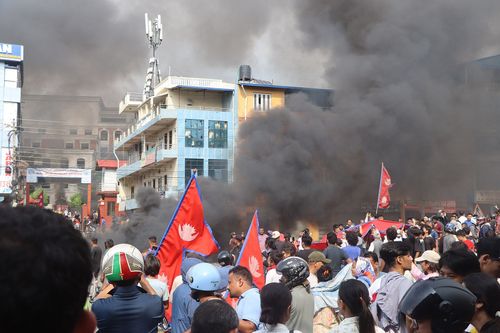
Why Do We Cheer for Violence We Watch Through a Screen?
In Tirana, rubbish bins are burning, traffic lights are being smashed and protesters are clashing with police. On social media, some viewers greet these scenes with enthusiasm. We saw similar reactions during protests in Serbia, and last year in Nepal. Why do we feel the need to see violence as proof that something is finally changing? And how willing would we be to support it if, instead of holding a phone, we were standing in front of a police cordon?
Results: 16
Ahead of the BNC Elections: Democracy and Pluralism Before Unity, Authority, Parties and Projects
Ahead of the elections for the Bosniak National Council, Emir Bihorac examines the approaches of Bosniak political parties and proposes a different model: a non-partisan, secular and pluralistic Council that preserves Sandžak's heritage and protects the interests of all Bosniaks.
Why Do We Cheer for Violence We Watch Through a Screen?
In Tirana, rubbish bins are burning, traffic lights are being smashed and protesters are clashing with police. On social media, some viewers greet these scenes with enthusiasm. We saw similar reactions during protests in Serbia, and last year in Nepal. Why do we feel the need to see violence as proof that something is finally changing? And how willing would we be to support it if, instead of holding a phone, we were standing in front of a police cordon?
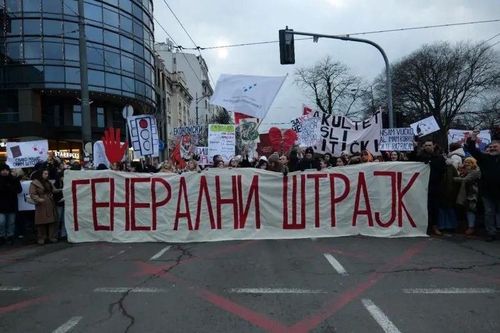
From Left-Wing Form to Right-Wing Substance: The Paradox of the Student Movement
The student movement has brought plenums, direct democracy and collective decision-making back into Serbia's political life. However, Emir Bihorac asks why workers' rights, class relations and economic democracy have been largely absent from this model. He examines how a movement using methods traditionally associated with the left may narrow the space for its development and what consequences this could have for democracy.
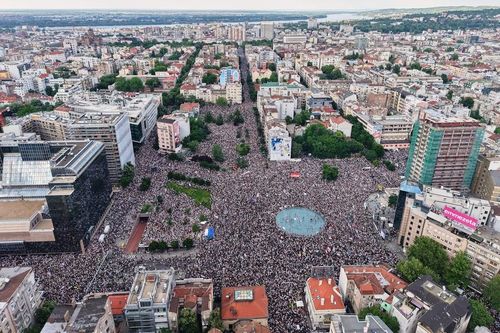
Serbia on the brink of what? Polarisation, political conflict and the myth of civil war
Emir Bihorac examines the political polarisation between supporters of the SNS and the student movement and argues that deep divisions do not mean Serbia is heading towards civil war, while warning of a longer-term erosion of the political process itself.
From Loyalty to Rules: How to Break with the Politics of Personal Relations
From the Habsburg and Ottoman empires to Tito, Vučić, the Student List and the European Union, Emir Bihorac traces the historical roots of a political culture in which personal and collective loyalty often remain stronger than institutions and rules.
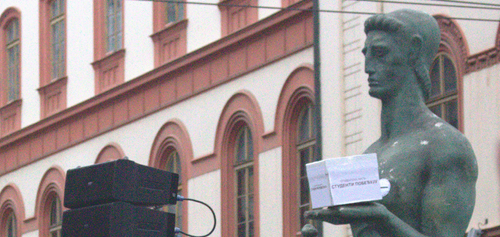
Pobednik Returned to Terazije, This Time with a Student Box
Almost a century after Ivan Meštrović envisioned Pobednik for Terazije, its student version passed through central Belgrade on the way from the Rectorate to the Republic Electoral Commission. The figure that once represented military victory was now holding a box marked “Students Win”. There is much more behind that image than a good photograph.
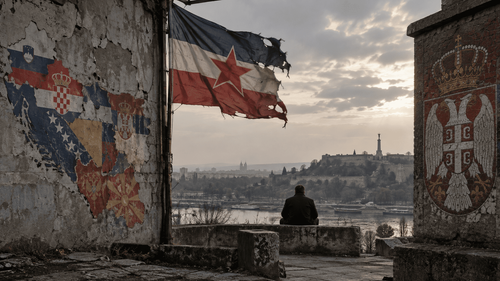
Why is Serbia a state, while the other states are former Yugoslav republics?
From the creation and collapse of Yugoslavia to succession, political memory and relations with neighbouring states, Emir Bihorac examines why Serbia is still often perceived as “the state”, while the others are reduced to “former Yugoslav republics”.
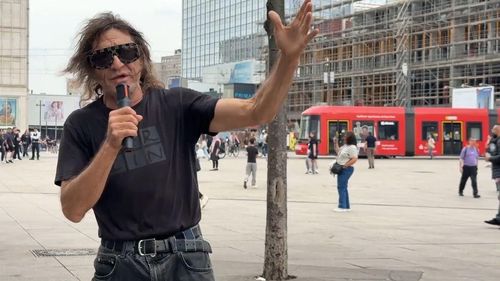
Twenty Minutes of Being Human
What happens when strangers stop seeing one another as political categories, profiles and members of the “other side” for twenty minutes and simply dance together? A Berlin street performance opens a much larger question: how much do societies need spaces where people can simply be together without arguing, buying or needing an enemy?
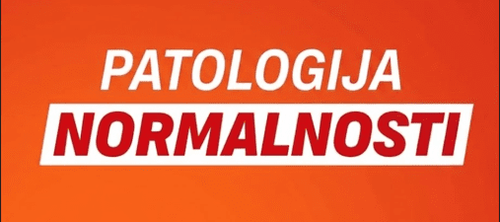
The Pathology of Normality: Why Normal People Do Not Need to Advertise Themselves as Normal
SDP in Novi Pazar is building its campaign around the messages “time for normality” and “human”. After almost two decades in local government, the question is no longer only what these slogans mean, but why normality and humanity are now being presented as something that needs to be politically proven.
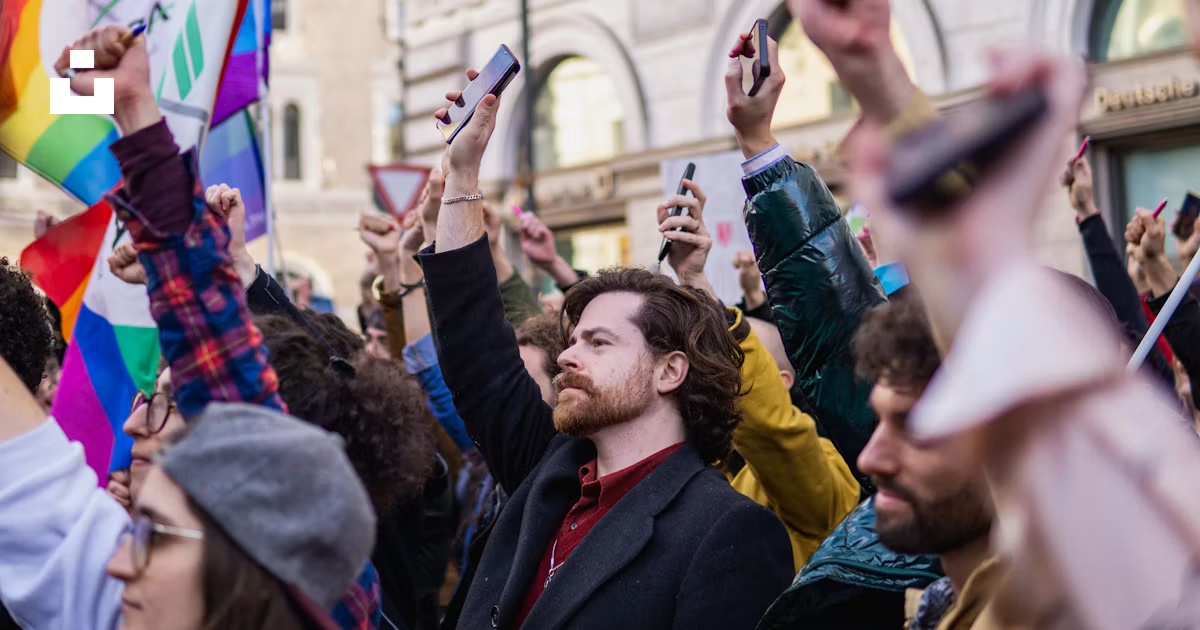
Why the Public Demands Revenge Before Facts
After a crime, disaster or public scandal, facts arrive slowly while verdicts come quickly. Anger demands a name, a face and punishment, while the media, social networks and politicians often reward the version of events that is first to provide someone to blame.

How Emotions Shape Political Choice
Voters do not assess political options only through programmes, interests and results. Fear, anger, hope and cognitive biases influence which information we notice, whom we trust and how we interpret political reality.
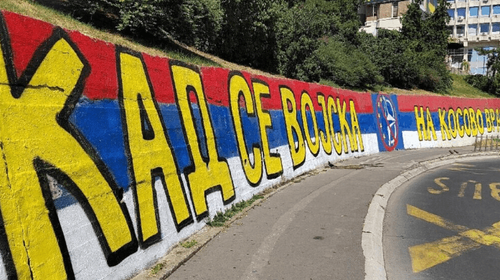
Who Owns the Walls: How Hate Graffiti Turns Public Space into a Zone of Fear
Graffiti is not always just a mark on a wall. When calls for violence, nationalist messages, Nazi symbols, homophobia and the glorification of war criminals begin to dominate public space, the question is no longer about the aesthetics of a city, but about who can move through it without fear.