Archive
This is where the publication becomes a record: every published story stays searchable, filterable and editorially legible.
Search stories
From the archive
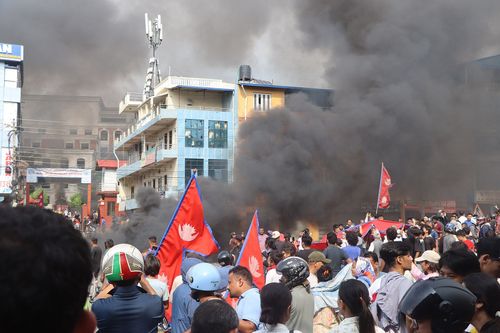
Why Do We Cheer for Violence We Watch Through a Screen?
In Tirana, rubbish bins are burning, traffic lights are being smashed and protesters are clashing with police. On social media, some viewers greet these scenes with enthusiasm. We saw similar reactions during protests in Serbia, and last year in Nepal. Why do we feel the need to see violence as proof that something is finally changing? And how willing would we be to support it if, instead of holding a phone, we were standing in front of a police cordon?
You Have the Right. But Can You Afford to Defend It?
The Constitution guarantees equality before the law, but going to court can involve costs that someone on an average income may struggle to bear. Lawyers, court fees, expert assessments, lost working days and years of waiting often determine how capable a person really is of protecting their rights. Serbia has a free legal aid system. The problem is that many people do not even know it exists, while some discover it only when it is already too late.
Results: 25

How Emotions Shape Political Choice
Voters do not assess political options only through programmes, interests and results. Fear, anger, hope and cognitive biases influence which information we notice, whom we trust and how we interpret political reality.
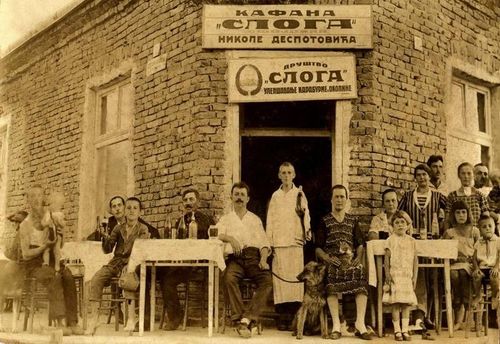
The Kafana as the Balkans’ Public Living Room
For centuries, politics, work, music, gossip, leisure and everyday tasks now handled by entire institutions have intersected around the kafana table. The kafana was one of the few places where society could be seen with little protocol.
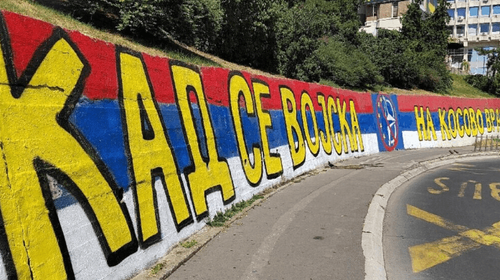
Who Owns the Walls: How Hate Graffiti Turns Public Space into a Zone of Fear
Graffiti is not always just a mark on a wall. When calls for violence, nationalist messages, Nazi symbols, homophobia and the glorification of war criminals begin to dominate public space, the question is no longer about the aesthetics of a city, but about who can move through it without fear.
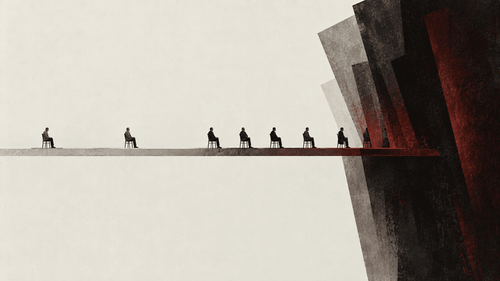
When Compromise Normalizes Extremism: How the Boundary of the Acceptable Shifts
Compromise makes sense when it is sought between positions that can be reconciled. When a “moderate middle” is sought between a fact and its denial, it can stop calming conflict and begin shifting the boundary of what society considers acceptable.
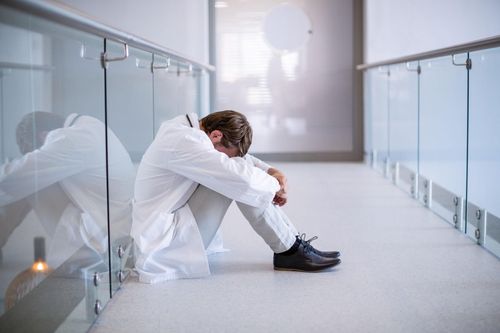
The White Coat and “Animal Farm”: Who Cares for Those Who Care for Us?
Doctors spend every day asking others how they are, while their own exhaustion, illness and emotional burden often remain unspoken. Through personal experience and Orwell’s Boxer, the article asks how long self-sacrifice can be treated as a professional virtue before it becomes a burden for the person inside the white coat.
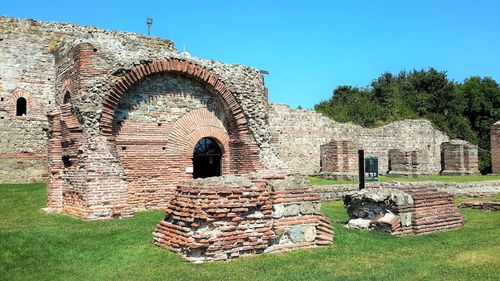
Climate Is Eroding History: How to Protect Serbia’s Cultural Heritage
From temperature fluctuations and flash floods to droughts and changing humidity, climate extremes are increasingly damaging monuments, archaeological sites and historic areas across Serbia. Protecting heritage therefore depends on data, local monitoring, new technologies and institutions capable of acting before damage becomes irreversible.
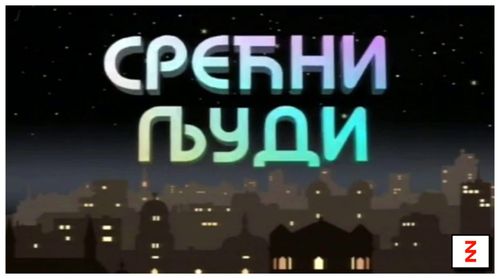
How Delusions Are Created: From “Srećni ljudi” to Moral Shortcuts
How confusing correlation with causation, from the moralization of poverty to judgments about character, guilt and responsibility, can produce stereotypes that over time become part of collective social thinking.
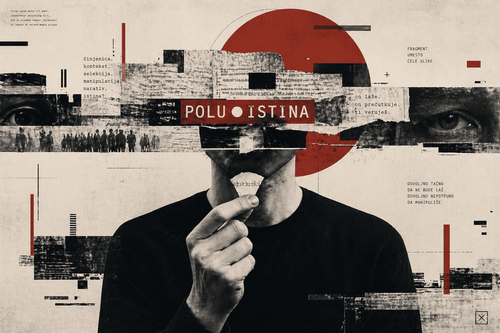
Half-truth as the new norm
Why lies are no longer necessary. How to speak with just enough truth to avoid lying, yet enough omission to manipulate.
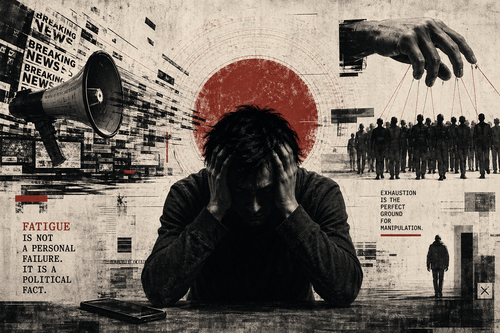
Fatigue as a political fact
People are not apathetic because they “don’t care,” but because they are exhausted. Fatigue as the ideal ground for manipulation.
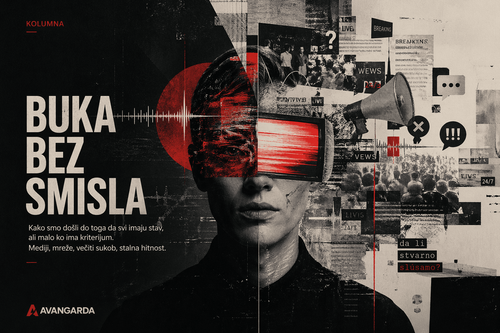
Noise without meaning
How did we get to a point where everyone has an opinion, but few have any criteria? Media, networks, an endless conflict, a constant sense of urgency.
Where Nature Is Memory, and Memory Is Freedom