Archive
This is where the publication becomes a record: every published story stays searchable, filterable and editorially legible.
Search stories
From the archive
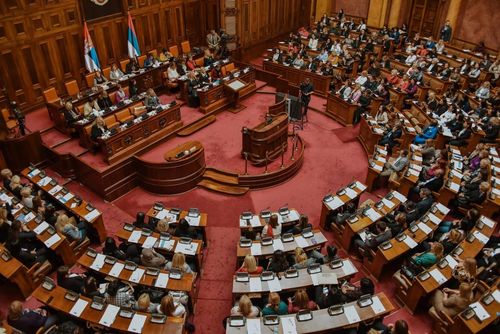
Women on the Ballot, Men at the Top: What Is Electoral Equality Worth?
In Serbia's parliamentary elections scheduled for 25 October 2026, political parties are once again highlighting the number of women among their candidates. Some take particular pride in the fact that women make up a majority on their lists. This is certainly worth noting, but it leaves open the question of how much influence female candidates have over party decisions and what power they will hold if elected. An OSCE report on gender equality in Serbia's National Assembly shows why this distinction cannot be reduced to an electoral percentage.
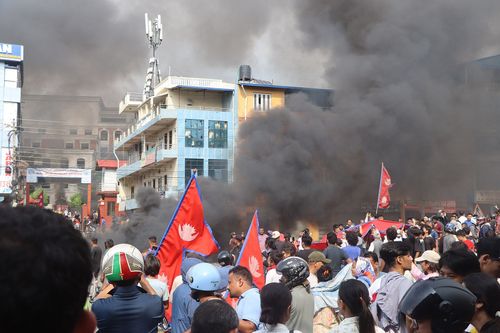
Why Do We Cheer for Violence We Watch Through a Screen?
In Tirana, rubbish bins are burning, traffic lights are being smashed and protesters are clashing with police. On social media, some viewers greet these scenes with enthusiasm. We saw similar reactions during protests in Serbia, and last year in Nepal. Why do we feel the need to see violence as proof that something is finally changing? And how willing would we be to support it if, instead of holding a phone, we were standing in front of a police cordon?
Results: 23
The Pathology of Normality: Why Normal People Do Not Need to Advertise Themselves as Normal
SDP in Novi Pazar is building its campaign around the messages “time for normality” and “human”. After almost two decades in local government, the question is no longer only what these slogans mean, but why normality and humanity are now being presented as something that needs to be politically proven.
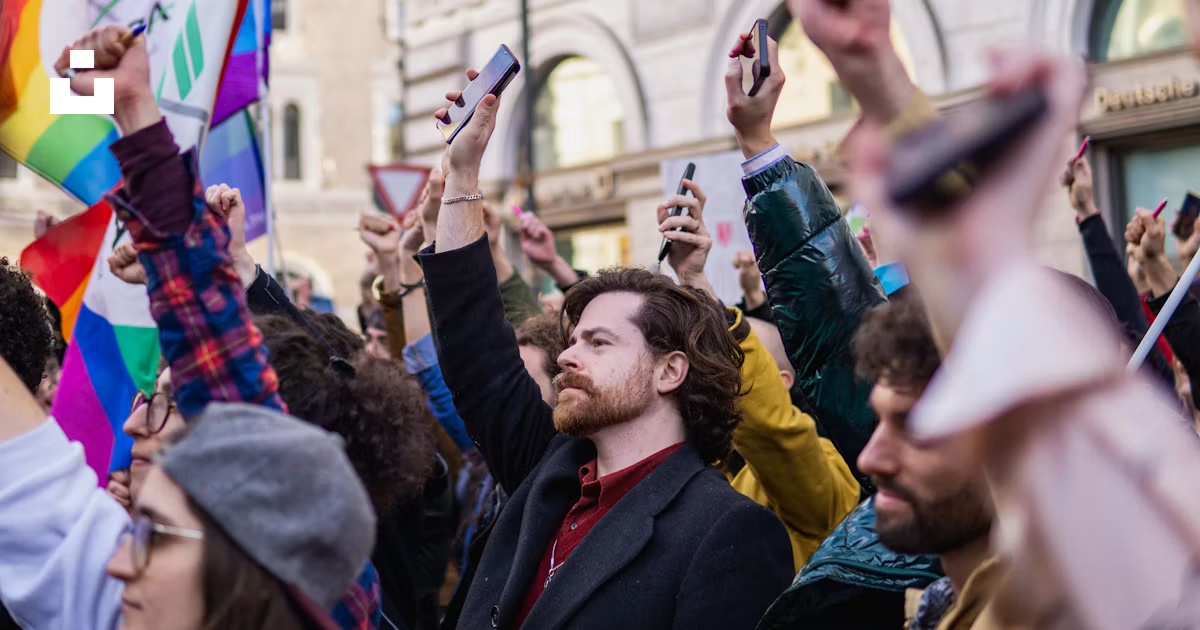
Why the Public Demands Revenge Before Facts
After a crime, disaster or public scandal, facts arrive slowly while verdicts come quickly. Anger demands a name, a face and punishment, while the media, social networks and politicians often reward the version of events that is first to provide someone to blame.

We Worked While Sick to Reach Retirement. Then We Search for the Elixir of Youth
For years, going to work despite illness has been presented as responsibility and dedication. But the body does not recognise years of service, and retirement cannot restore the health, energy and years we spent waiting for life to begin later.

How Emotions Shape Political Choice
Voters do not assess political options only through programmes, interests and results. Fear, anger, hope and cognitive biases influence which information we notice, whom we trust and how we interpret political reality.
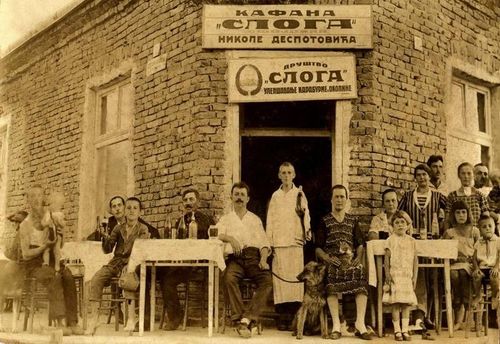
The Kafana as the Balkans’ Public Living Room
For centuries, politics, work, music, gossip, leisure and everyday tasks now handled by entire institutions have intersected around the kafana table. The kafana was one of the few places where society could be seen with little protocol.
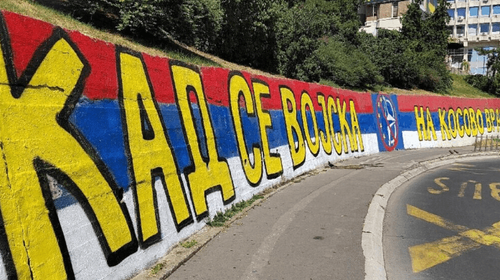
Who Owns the Walls: How Hate Graffiti Turns Public Space into a Zone of Fear
Graffiti is not always just a mark on a wall. When calls for violence, nationalist messages, Nazi symbols, homophobia and the glorification of war criminals begin to dominate public space, the question is no longer about the aesthetics of a city, but about who can move through it without fear.
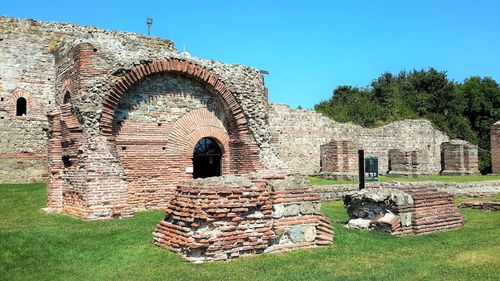
Climate Is Eroding History: How to Protect Serbia’s Cultural Heritage
From temperature fluctuations and flash floods to droughts and changing humidity, climate extremes are increasingly damaging monuments, archaeological sites and historic areas across Serbia. Protecting heritage therefore depends on data, local monitoring, new technologies and institutions capable of acting before damage becomes irreversible.
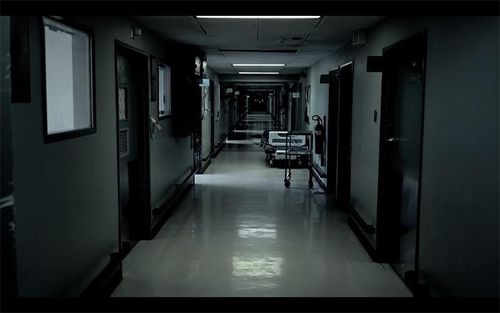
Stay Quiet, It Has Always Been This Way: How the Exploitation of Young Doctors Became the Rule
Medicine is still presented to young people as a calling, while the system expects them to stay quiet, work without security and wait for dignity as if it were a reward.
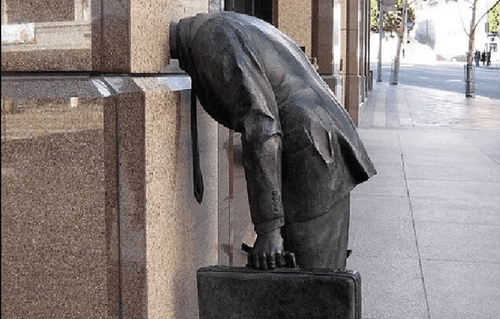
Everything passes, only self-interest is eternal: a critique of depoliticization
A critique of a society in which political positions are declared dangerous, depoliticization is presented as a virtue, and personal interest becomes the most enduring form of political power.
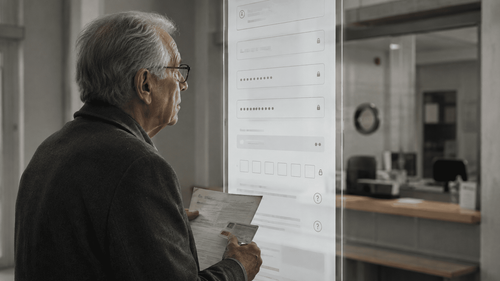
When the State Moves Behind a Screen
Digitalisation can make life easier, but when apps, passwords and internet access become unspoken conditions for exercising rights, some citizens are left dependent on others.
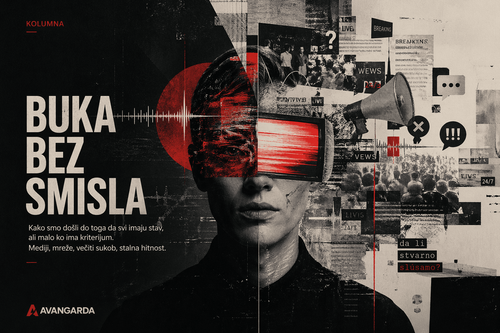
Noise without meaning
How did we get to a point where everyone has an opinion, but few have any criteria? Media, networks, an endless conflict, a constant sense of urgency.