Archive
This is where the publication becomes a record: every published story stays searchable, filterable and editorially legible.
Search stories
From the archive
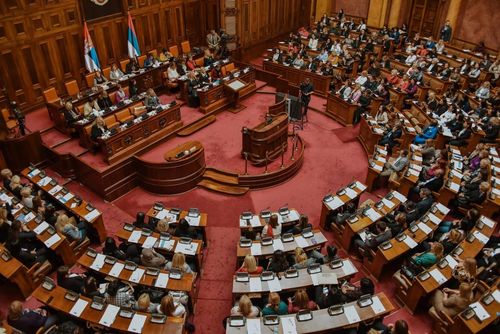
Women on the Ballot, Men at the Top: What Is Electoral Equality Worth?
In Serbia's parliamentary elections scheduled for 25 October 2026, political parties are once again highlighting the number of women among their candidates. Some take particular pride in the fact that women make up a majority on their lists. This is certainly worth noting, but it leaves open the question of how much influence female candidates have over party decisions and what power they will hold if elected. An OSCE report on gender equality in Serbia's National Assembly shows why this distinction cannot be reduced to an electoral percentage.
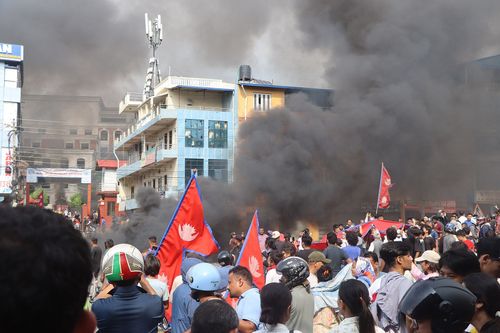
Why Do We Cheer for Violence We Watch Through a Screen?
In Tirana, rubbish bins are burning, traffic lights are being smashed and protesters are clashing with police. On social media, some viewers greet these scenes with enthusiasm. We saw similar reactions during protests in Serbia, and last year in Nepal. Why do we feel the need to see violence as proof that something is finally changing? And how willing would we be to support it if, instead of holding a phone, we were standing in front of a police cordon?
Results: 16
Women on the Ballot, Men at the Top: What Is Electoral Equality Worth?
In Serbia's parliamentary elections scheduled for 25 October 2026, political parties are once again highlighting the number of women among their candidates. Some take particular pride in the fact that women make up a majority on their lists. This is certainly worth noting, but it leaves open the question of how much influence female candidates have over party decisions and what power they will hold if elected. An OSCE report on gender equality in Serbia's National Assembly shows why this distinction cannot be reduced to an electoral percentage.
Why Do We Cheer for Violence We Watch Through a Screen?
In Tirana, rubbish bins are burning, traffic lights are being smashed and protesters are clashing with police. On social media, some viewers greet these scenes with enthusiasm. We saw similar reactions during protests in Serbia, and last year in Nepal. Why do we feel the need to see violence as proof that something is finally changing? And how willing would we be to support it if, instead of holding a phone, we were standing in front of a police cordon?
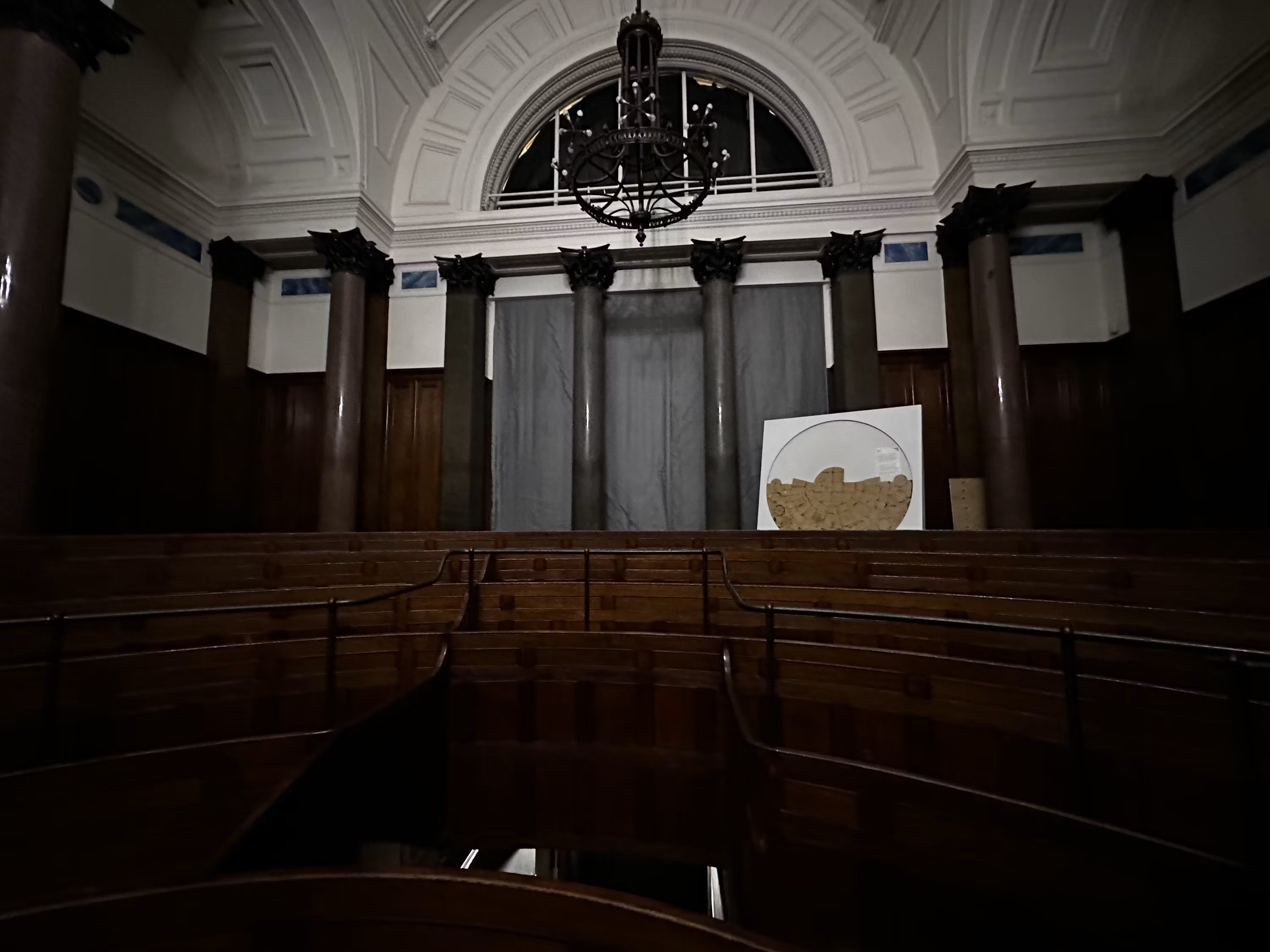
You Have the Right. But Can You Afford to Defend It?
The Constitution guarantees equality before the law, but going to court can involve costs that someone on an average income may struggle to bear. Lawyers, court fees, expert assessments, lost working days and years of waiting often determine how capable a person really is of protecting their rights. Serbia has a free legal aid system. The problem is that many people do not even know it exists, while some discover it only when it is already too late.
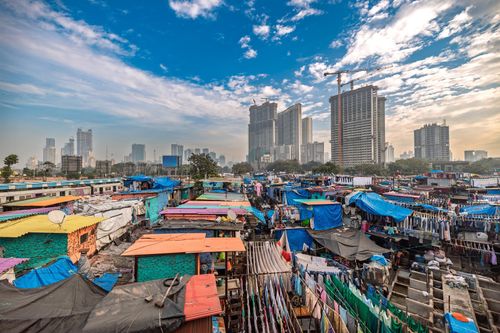
Who Said the 21st Century Had to Be Better?
Wars, poverty, violence, discrimination, people without water or electricity. Whenever something happens that we consider unacceptable, someone will almost certainly say: “How is this possible in the 21st century?” That sentence reveals how accustomed we have become to believing in progress that is supposed to happen on its own. But history has no obligation to improve simply because the date has changed.
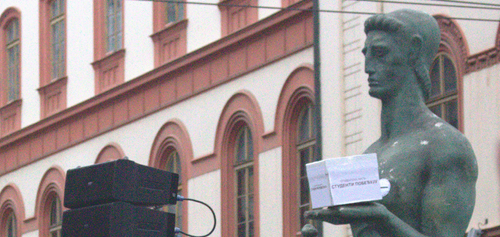
Pobednik Returned to Terazije, This Time with a Student Box
Almost a century after Ivan Meštrović envisioned Pobednik for Terazije, its student version passed through central Belgrade on the way from the Rectorate to the Republic Electoral Commission. The figure that once represented military victory was now holding a box marked “Students Win”. There is much more behind that image than a good photograph.
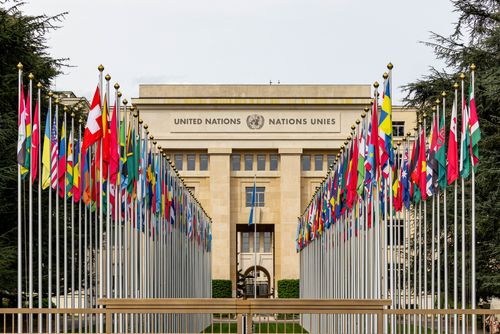
The World After American Dominance: Who Really Holds Power Today?
America remains a superpower, but it is no longer the only centre of global power. Financial, military, industrial and technological strength is now divided among several powers.
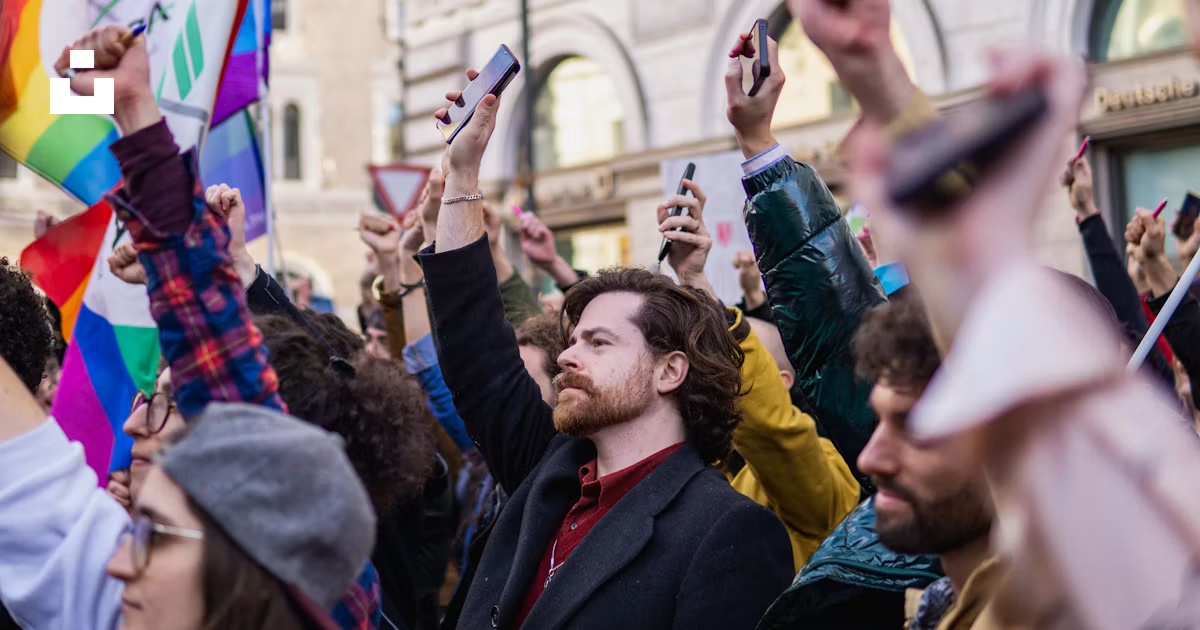
Why the Public Demands Revenge Before Facts
After a crime, disaster or public scandal, facts arrive slowly while verdicts come quickly. Anger demands a name, a face and punishment, while the media, social networks and politicians often reward the version of events that is first to provide someone to blame.
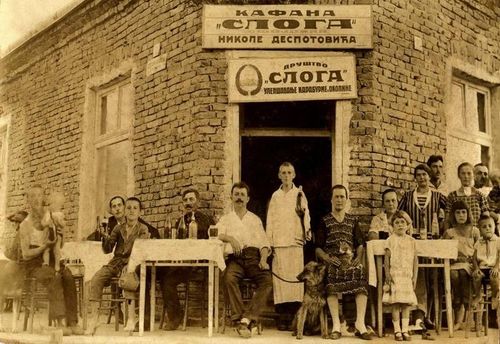
The Kafana as the Balkans’ Public Living Room
For centuries, politics, work, music, gossip, leisure and everyday tasks now handled by entire institutions have intersected around the kafana table. The kafana was one of the few places where society could be seen with little protocol.
From the Bloody Hand to the Museum Wall: How Protest Produces Art
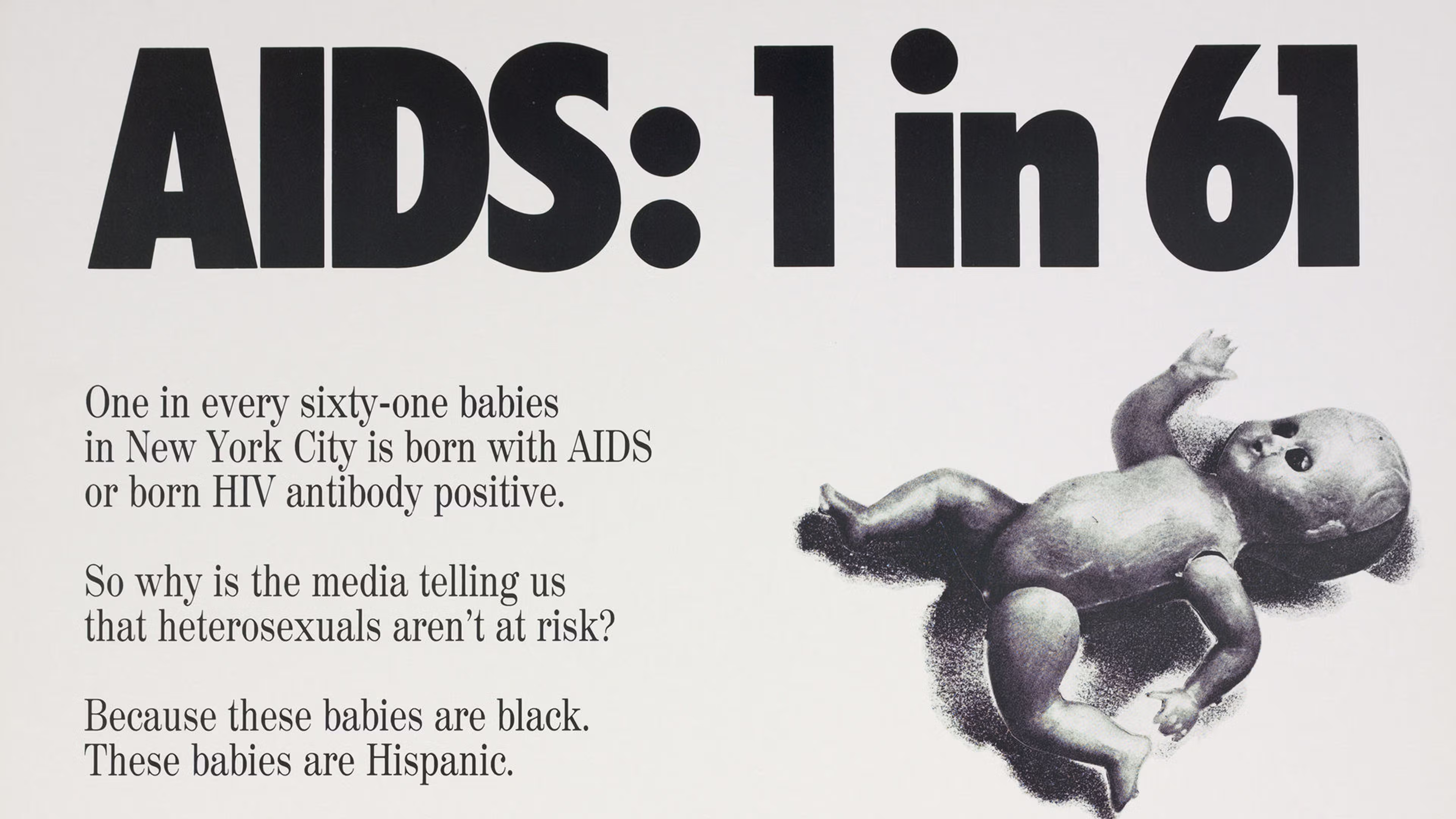
From Serbia to Paris, Chile and New York, protest movements create images that outlive the moment of revolt. Later comes the struggle over their meaning, memory and ownership.
When the State Moves Behind a Screen
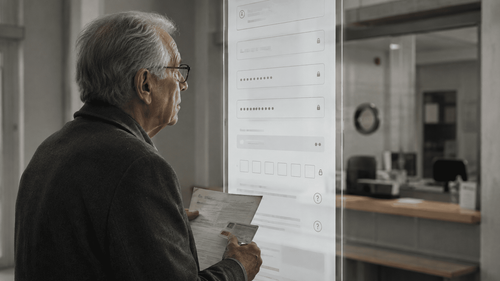
Digitalisation can make life easier, but when apps, passwords and internet access become unspoken conditions for exercising rights, some citizens are left dependent on others.
Half-truth as the new norm
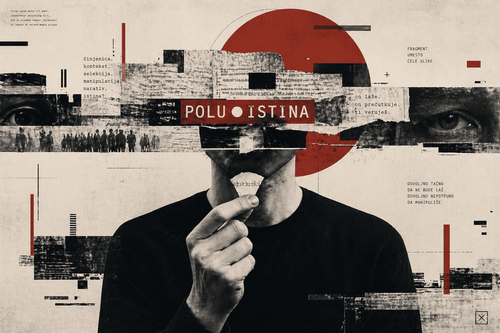
Why lies are no longer necessary. How to speak with just enough truth to avoid lying, yet enough omission to manipulate.
Fatigue as a political fact
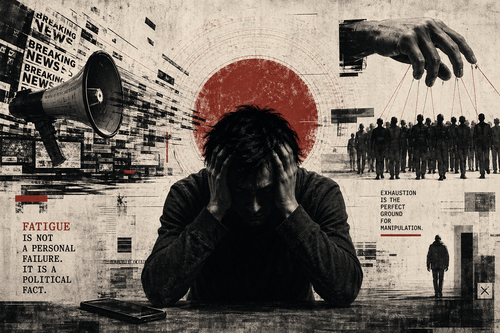
People are not apathetic because they “don’t care,” but because they are exhausted. Fatigue as the ideal ground for manipulation.