Archive
This is where the publication becomes a record: every published story stays searchable, filterable and editorially legible.
Search stories
From the archive

Ahead of the BNC Elections: Democracy and Pluralism Before Unity, Authority, Parties and Projects
Ahead of the elections for the Bosniak National Council, Emir Bihorac examines the approaches of Bosniak political parties and proposes a different model: a non-partisan, secular and pluralistic Council that preserves Sandžak's heritage and protects the interests of all Bosniaks.
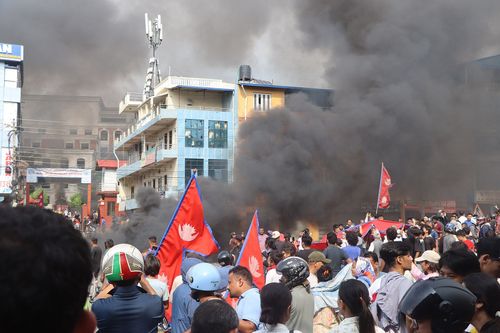
Why Do We Cheer for Violence We Watch Through a Screen?
In Tirana, rubbish bins are burning, traffic lights are being smashed and protesters are clashing with police. On social media, some viewers greet these scenes with enthusiasm. We saw similar reactions during protests in Serbia, and last year in Nepal. Why do we feel the need to see violence as proof that something is finally changing? And how willing would we be to support it if, instead of holding a phone, we were standing in front of a police cordon?
Results: 16
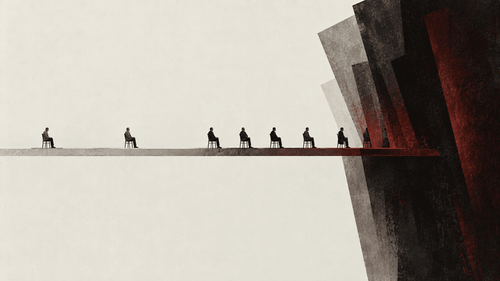
When Compromise Normalizes Extremism: How the Boundary of the Acceptable Shifts
Compromise makes sense when it is sought between positions that can be reconciled. When a “moderate middle” is sought between a fact and its denial, it can stop calming conflict and begin shifting the boundary of what society considers acceptable.

Why Bosniak Parties Are Unlikely to Decide Who Forms Serbia’s Next Government
From estimates of the Bosniak electorate and possible parliamentary seats to the political myth of the “decisive vote”: Emir Bihorac examines how much influence Bosniak parties can realistically have on the formation of Serbia’s next government.

Everything passes, only self-interest is eternal: a critique of depoliticization
A critique of a society in which political positions are declared dangerous, depoliticization is presented as a virtue, and personal interest becomes the most enduring form of political power.
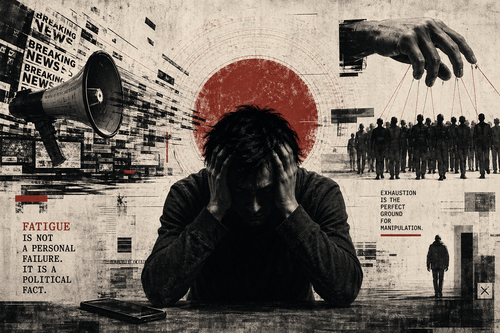
Fatigue as a political fact
People are not apathetic because they “don’t care,” but because they are exhausted. Fatigue as the ideal ground for manipulation.