Back to About
AVANGARDAPortfolio

Ilhan Radetinac

Ilhan Radetinac

Founder / Editor, Avangarda

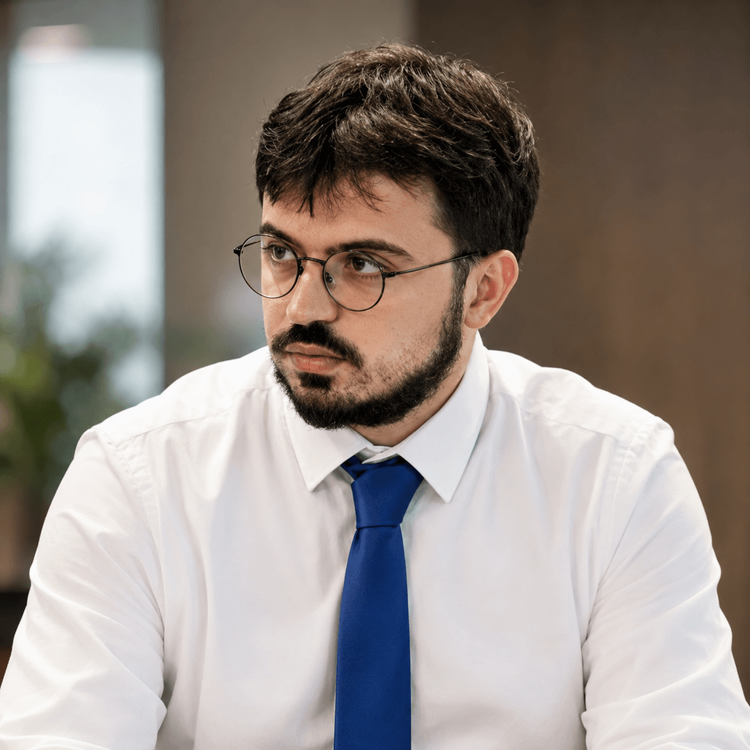
Ilhan Radetinac is an author, researcher, and founder of the Avangarda platform, focused on human rights, transitional justice, environmental justice, and democratic culture in the Balkans. His work connects field research, documentary storytelling, and public policy, with a particular interest in stories that remain outside the main frame.

Selected work

Documentaries

Avangarda documentaries

Documentary stories following the field, the people, the system and what usually stays outside the frame.

Projects

Avangarda

Avangarda is an independent platform I am developing as a space for human rights, ecology, democratic culture, and stories that often remain outside the main frame. It grew out of the need to keep serious social issues from being trapped inside institutional language, and to bring them back to people, fieldwork, local communities, and public memory.

Articles

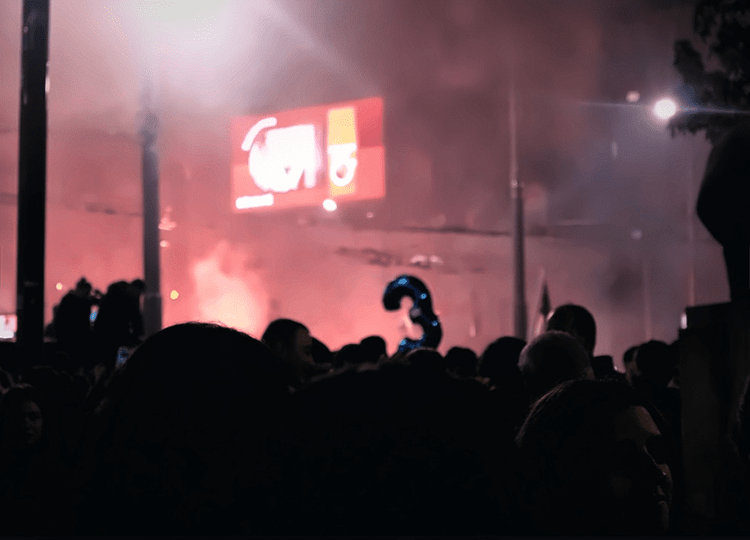
From Police Cordons to “VICTORY”: Belgrade, 25 October

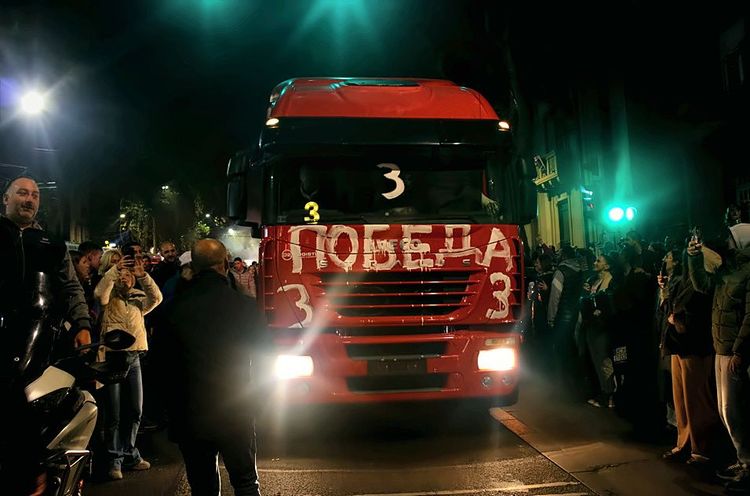
Election day in Belgrade began with queues outside polling stations and a growing police presence in the city centre. It ended with the Student List’s victory, celebrations in the streets and citizens entering Pionirski Park. Through 68 original photographs, Avangarda documents 25 and 26 October, from the uncertainty of the morning to the removal of barriers and the clean-up of the park.

Projects

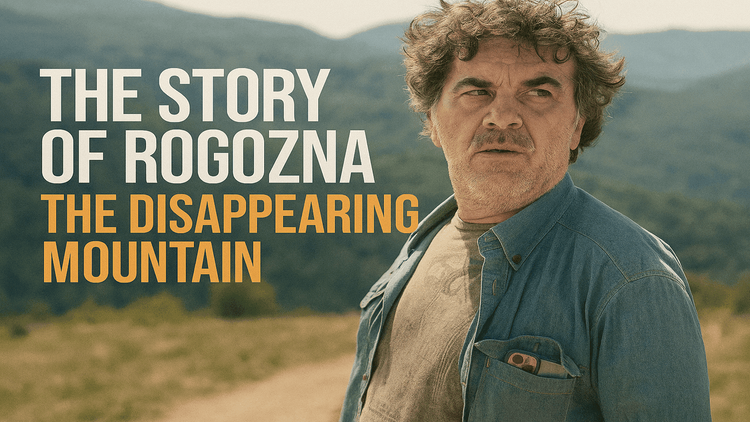
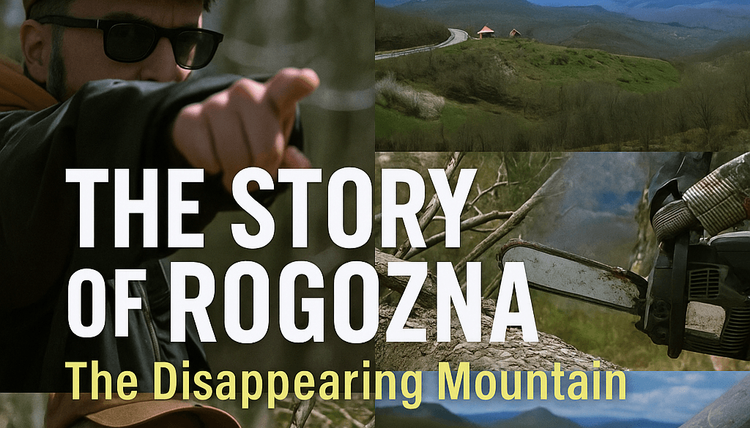
The Story of Rogozna: The Disappearing Mountain

“The Story of Rogozna: The Disappearing Mountain” is a documentary project following the environmental degradation of Rogozna mountain and its impact on local communities, everyday life, and the sense of belonging to a place. Through fieldwork, conversations with people, and visual storytelling, the project shows that nature is not only a landscape, but a place of memory, identity, and struggle for the public interest.

Articles

The Victory That Came on Foot

Almost two years ago, a protest movement began in Serbia that many doubted could bring about political change. Between the first minutes of silence and the electoral victory on 25 October came months of blockades, long walks, conversations, confrontations, disappointment and persistence. For me, that period was also an opportunity to reconsider my own belief that those in power could only be removed through violent rebellion. It turned out that we could have learned far more from history than we thought.

Projects

Nature Within Us

“Nature Within Us” is a project implemented with the support of the OSCE and in cooperation with state institutions, including the National Assembly of the Republic of Serbia and the Coordination Body for the Municipalities of Preševo, Bujanovac and Medveđa. The project brought young people together around ecology, mental health, local community, and the relationship between people and nature. Through workshops in Novi Pazar and fieldwork on Rogozna, it created space to speak about nature not only as a resource, but as a place of belonging, responsibility, and inner connection that we often notice only when it begins to disappear.

Articles

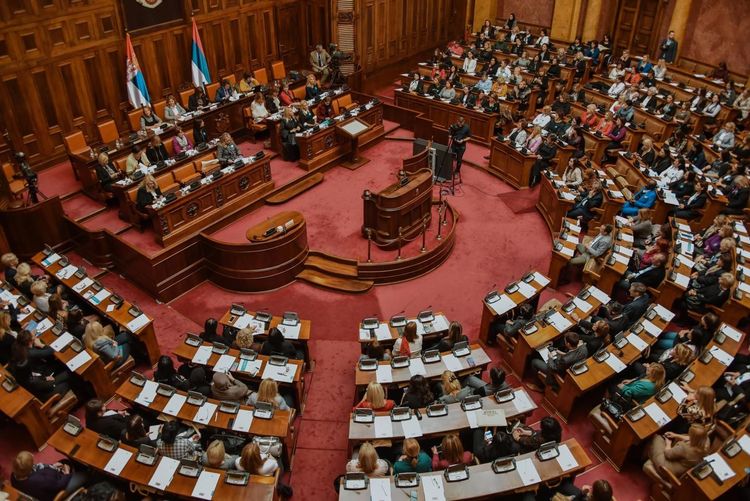
Women on the Ballot, Men at the Top: What Is Electoral Equality Worth?

In Serbia's parliamentary elections scheduled for 25 October 2026, political parties are once again highlighting the number of women among their candidates. Some take particular pride in the fact that women make up a majority on their lists. This is certainly worth noting, but it leaves open the question of how much influence female candidates have over party decisions and what power they will hold if elected. An OSCE report on gender equality in Serbia's National Assembly shows why this distinction cannot be reduced to an electoral percentage.

Articles

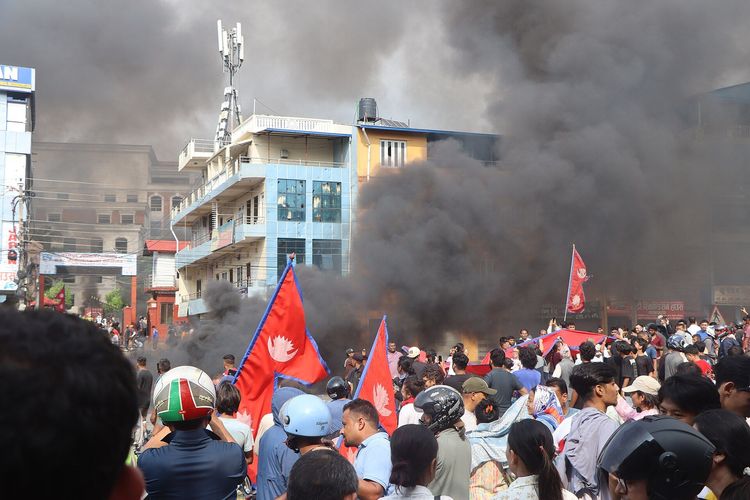
Why Do We Cheer for Violence We Watch Through a Screen?

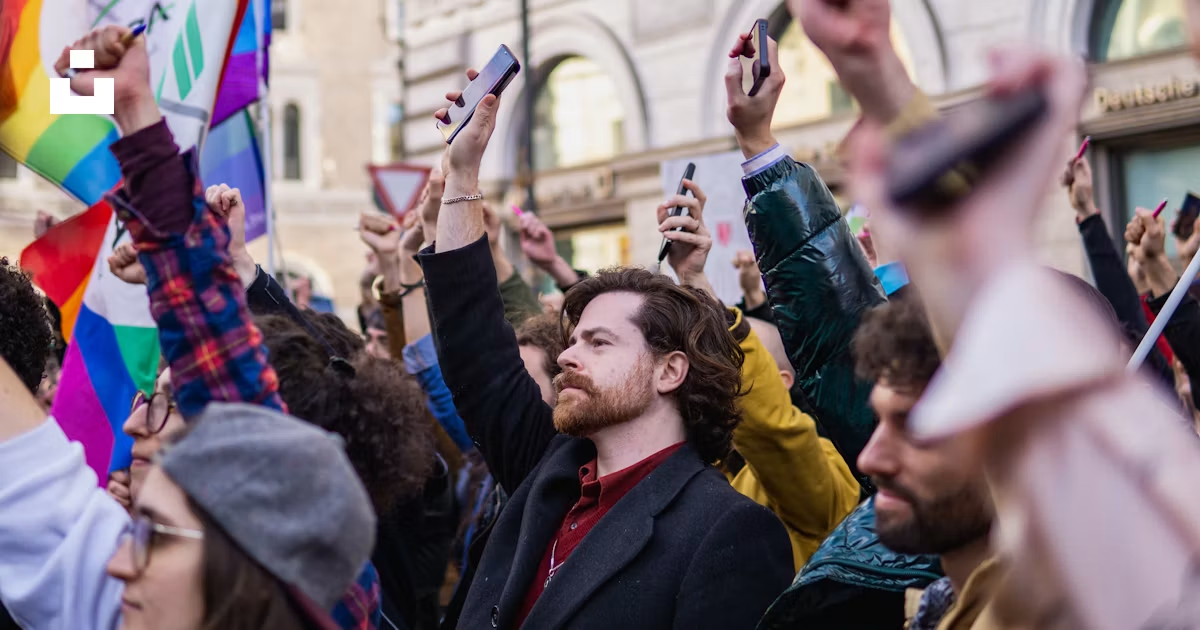
In Tirana, rubbish bins are burning, traffic lights are being smashed and protesters are clashing with police. On social media, some viewers greet these scenes with enthusiasm. We saw similar reactions during protests in Serbia, and last year in Nepal. Why do we feel the need to see violence as proof that something is finally changing? And how willing would we be to support it if, instead of holding a phone, we were standing in front of a police cordon?

Starting point

Institutions are not abstract. They can be seen in the way people speak, negotiate, remain silent, and defend what they believe matters.

Ilhan Radetinac is the founder and editor of Avangarda, an author, researcher, and documentary storyteller from Novi Pazar. His work moves between human rights, transitional justice, environmental justice, public policy, and media, with a particular focus on the Balkans and local communities that often remain outside the main political and media frame.

He studied Communication and Public Relations at International Balkan University in Skopje and completed a Master’s degree in Democracy and Human Rights through the joint programme of the University of Sarajevo and the University of Bologna. He connects this academic background with field research, documentation, and storytelling about social processes that cannot be understood only through institutions, but also through the lives of the people directly affected by them.

He worked with the Humanitarian Law Center Kosovo on transitional justice, documentation of human rights violations, and dealing with the past, and through the Global Campus of Human Rights developed the documentary project “The Story of Rogozna: The Disappearing Mountain”, a story about environmental degradation, local communities, and a landscape disappearing quietly, far from public attention. His work brings together research, film, writing, and public advocacy, without reducing complex issues to simple slogans.

Through Avangarda, he is building a space for articles, analysis, documentary stories, and public memory. For him, human rights are not decorative institutional language, but a question of power, dignity, responsibility, and who gets to be seen, heard, and protected.

Work

Skills

  • Human Rights Research
  • Documentary Storytelling
  • Field Research
  • Transitional Justice
  • Environmental Justice
  • Public Policy
  • Writing and Analysis
  • Media and Communication
  • Project Development

Projects

Avangarda

Human Rights, Ecology and Public Memory

Avangarda is an independent platform I am developing as a space for human rights, ecology, democratic culture, and stories that often remain outside the main frame. It grew out of the need to keep serious social issues from being trapped inside institutional language, and to bring them back to people, fieldwork, local communities, and public memory.

Open project

The Story of Rogozna: The Disappearing Mountain

A documentary project about environmental degradation, people, and a disappearing landscape

“The Story of Rogozna: The Disappearing Mountain” is a documentary project following the environmental degradation of Rogozna mountain and its impact on local communities, everyday life, and the sense of belonging to a place. Through fieldwork, conversations with people, and visual storytelling, the project shows that nature is not only a landscape, but a place of memory, identity, and struggle for the public interest.

Open project

Nature Within Us

Youth, ecopsychology and the connection between people and nature

“Nature Within Us” is a project implemented with the support of the OSCE and in cooperation with state institutions, including the National Assembly of the Republic of Serbia and the Coordination Body for the Municipalities of Preševo, Bujanovac and Medveđa. The project brought young people together around ecology, mental health, local community, and the relationship between people and nature. Through workshops in Novi Pazar and fieldwork on Rogozna, it created space to speak about nature not only as a resource, but as a place of belonging, responsibility, and inner connection that we often notice only when it begins to disappear.

Articles

From Police Cordons to “VICTORY”: Belgrade, 25 October

Election day in Belgrade began with queues outside polling stations and a growing police presence in the city centre. It ended with the Student List’s victory, celebrations in the streets and citizens entering Pionirski Park. Through 68 original photographs, Avangarda documents 25 and 26 October, from the uncertainty of the morning to the removal of barriers and the clean-up of the park.

Read more

The Victory That Came on Foot

Almost two years ago, a protest movement began in Serbia that many doubted could bring about political change. Between the first minutes of silence and the electoral victory on 25 October came months of blockades, long walks, conversations, confrontations, disappointment and persistence. For me, that period was also an opportunity to reconsider my own belief that those in power could only be removed through violent rebellion. It turned out that we could have learned far more from history than we thought.

Read more

Women on the Ballot, Men at the Top: What Is Electoral Equality Worth?

In Serbia's parliamentary elections scheduled for 25 October 2026, political parties are once again highlighting the number of women among their candidates. Some take particular pride in the fact that women make up a majority on their lists. This is certainly worth noting, but it leaves open the question of how much influence female candidates have over party decisions and what power they will hold if elected. An OSCE report on gender equality in Serbia's National Assembly shows why this distinction cannot be reduced to an electoral percentage.

Read more

Why Do We Cheer for Violence We Watch Through a Screen?

In Tirana, rubbish bins are burning, traffic lights are being smashed and protesters are clashing with police. On social media, some viewers greet these scenes with enthusiasm. We saw similar reactions during protests in Serbia, and last year in Nepal. Why do we feel the need to see violence as proof that something is finally changing? And how willing would we be to support it if, instead of holding a phone, we were standing in front of a police cordon?

Read more

You Have the Right. But Can You Afford to Defend It?

The Constitution guarantees equality before the law, but going to court can involve costs that someone on an average income may struggle to bear. Lawyers, court fees, expert assessments, lost working days and years of waiting often determine how capable a person really is of protecting their rights. Serbia has a free legal aid system. The problem is that many people do not even know it exists, while some discover it only when it is already too late.

Read more

Who Said the 21st Century Had to Be Better?

Wars, poverty, violence, discrimination, people without water or electricity. Whenever something happens that we consider unacceptable, someone will almost certainly say: “How is this possible in the 21st century?” That sentence reveals how accustomed we have become to believing in progress that is supposed to happen on its own. But history has no obligation to improve simply because the date has changed.

Read more

Pobednik Returned to Terazije, This Time with a Student Box

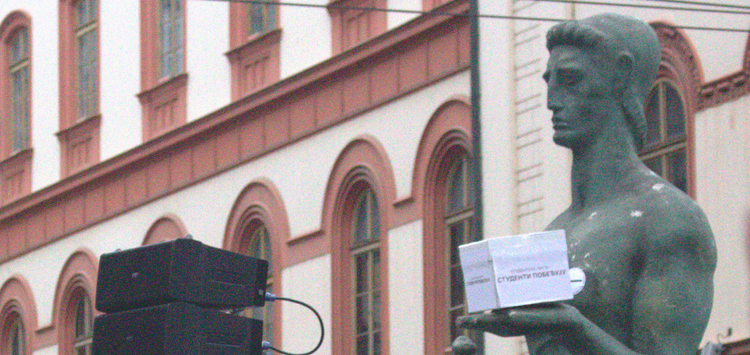
Almost a century after Ivan Meštrović envisioned Pobednik for Terazije, its student version passed through central Belgrade on the way from the Rectorate to the Republic Electoral Commission. The figure that once represented military victory was now holding a box marked “Students Win”. There is much more behind that image than a good photograph.

Read more

The World After American Dominance: Who Really Holds Power Today?

America remains a superpower, but it is no longer the only centre of global power. Financial, military, industrial and technological strength is now divided among several powers.

Read more

Why the Public Demands Revenge Before Facts

After a crime, disaster or public scandal, facts arrive slowly while verdicts come quickly. Anger demands a name, a face and punishment, while the media, social networks and politicians often reward the version of events that is first to provide someone to blame.

Read more

The Kafana as the Balkans’ Public Living Room

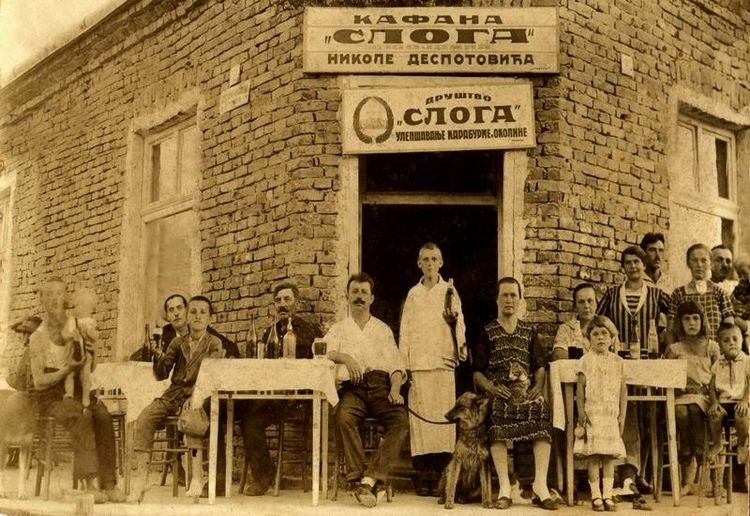
For centuries, politics, work, music, gossip, leisure and everyday tasks now handled by entire institutions have intersected around the kafana table. The kafana was one of the few places where society could be seen with little protocol.

Read more

From the Bloody Hand to the Museum Wall: How Protest Produces Art

From Serbia to Paris, Chile and New York, protest movements create images that outlive the moment of revolt. Later comes the struggle over their meaning, memory and ownership.

Read more

When the State Moves Behind a Screen

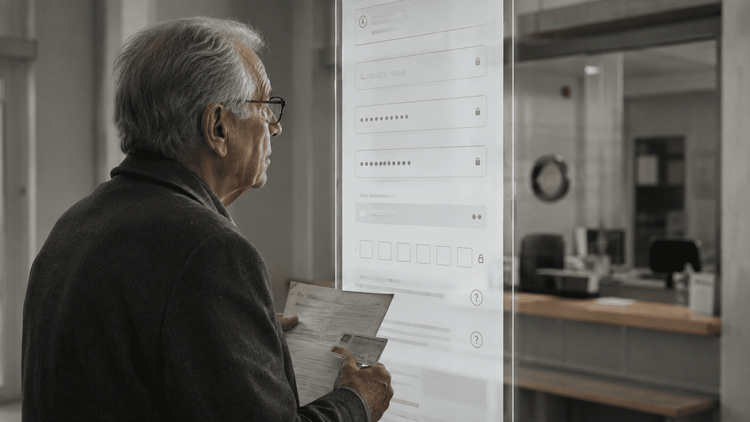
Digitalisation can make life easier, but when apps, passwords and internet access become unspoken conditions for exercising rights, some citizens are left dependent on others.

Read more

Half-truth as the new norm

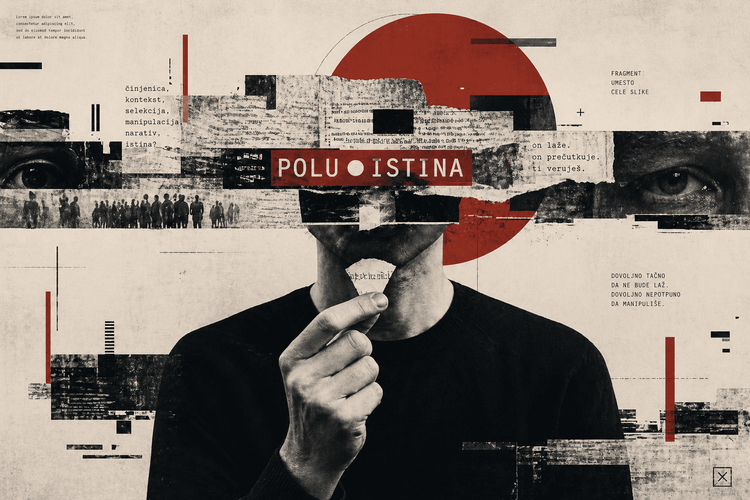
Why lies are no longer necessary. How to speak with just enough truth to avoid lying, yet enough omission to manipulate.

Read more

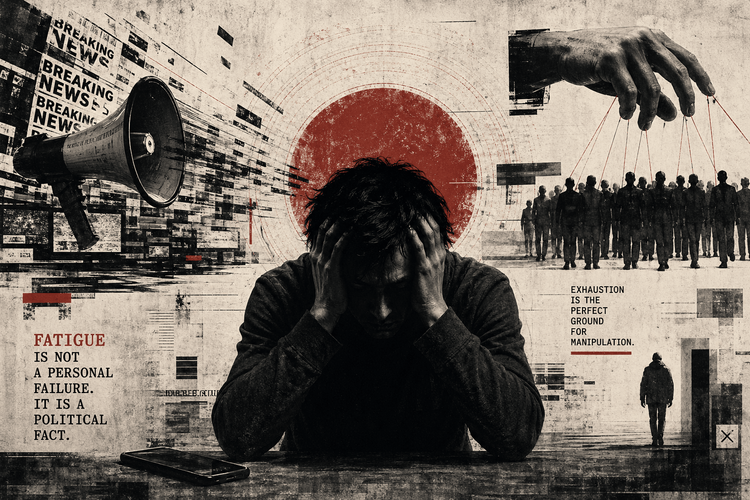
Fatigue as a political fact

People are not apathetic because they “don’t care,” but because they are exhausted. Fatigue as the ideal ground for manipulation.

Read more

Noise without meaning

How did we get to a point where everyone has an opinion, but few have any criteria? Media, networks, an endless conflict, a constant sense of urgency.

Read more

Where Nature Is Memory, and Memory Is Freedom

Read more

We belong to nature, not the other way around

Read more

The Story of Rogozna: The Disappearing Mountain

Read more

Documentaries

Timeline

  1. 2016
    Education

    Communication and Public Relations

    Skopje, North Macedonia

    My studies in Communication and Public Relations gave me a foundation for understanding media, public narrative, and the way messages are shaped in society. This experience later helped me approach human rights, ecology, and public policy not only as professional fields, but as stories that need to be told clearly in order to reach people.

  2. 2020
    Work

    Content Creator

    Novi Pazar, Serbia

    At Behar TV, I worked on creating media and digital content for a local audience, including articles, video formats, and social media posts. This experience was important because it helped me understand more clearly how local stories are built, how they are shaped for the public, and why media have a responsibility not to treat people only as a topic, but as a voice.

  3. 2020
    Work

    Founder and Manager

    Novi Pazar, Serbia

    I managed Cafeteria Block in Novi Pazar, overseeing daily operations, the team, supplies, finances, customer relations, and service quality. This experience gave me a practical understanding of responsibility, working under pressure, and leading people, but also showed me how society can often be seen most clearly in small spaces where people meet, talk, and live every day.
  4. 2022
    Work

    Census Instructor

    Novi Pazar, Serbia

    As a Census Instructor, I worked on training, participant support, and monitoring the process of data collection. This experience showed me how important data is for understanding society, but also how every statistic contains people, local communities, and everyday lives that are often lost inside tables.

  5. 2023
    Education

    Master in Democracy and Human Rights

    Sarajevo, Bosnia and Herzegovina / Bologna, Italy

    I completed my Master’s studies in Democracy and Human Rights through the regional programme of the University of Sarajevo and the University of Bologna. The programme gave me a broader academic framework for working on human rights, transitional justice, public policy, and social processes in the Balkans.

  6. 2023
    Work

    Research Assistant

    Belgrade, Serbia

    As a Research Assistant, I worked on organizing research materials, tracking tasks, and supporting teamwork in a dynamic professional environment. This experience strengthened my discipline in working with information, attention to detail, and ability to keep the research process clear, structured, and usable.

  7. 2024
    Work

    Research and Documentation Intern

    Pristina, Kosovo

    I worked with the Humanitarian Law Center Kosovo on research, documentation, and the organization of materials related to human rights, transitional justice, and dealing with the past. This experience allowed me to understand justice not only as a legal process, but as a question of memory, responsibility, and the dignity of people whose stories often remain locked inside archives, courtrooms, and social silence.

  8. 2025
    Work

    Trainee in Human Rights and Environmental Protection Committees

    Belgrade, Serbia

    Through my work with the Committee on Human and Minority Rights and Gender Equality and the Committee on Environmental Protection, I support research, preparation of materials, session monitoring, and the drafting of reports and recommendations. This experience allows me to understand human rights and environmental issues from within institutions, through procedures and public policy, while keeping the focus on the people and communities these policies are supposed to serve.

  9. 2025
    Work

    Author and Producer of the Rogozna Documentary Project

    location_en Novi Pazar / Rogozna, Serbia

    With the support of the Global Campus of Human Rights, I worked on the documentary project “The Story of Rogozna: The Disappearing Mountain”, focused on environmental degradation, local communities, and the consequences of a disappearing landscape that is not only nature for the people who live there, but memory, identity, and everyday life. The project brought together field research, conversations with local actors, video production, and public advocacy, aiming to show environmental violence through the lives of those who feel it first.

  10. 2025
    Project

    The Story of Rogozna: The Disappearing Mountain

    Rogozna / Novi Pazar, Serbia

    “The Story of Rogozna: The Disappearing Mountain” is a documentary project following the environmental degradation of Rogozna mountain and its impact on local communities, everyday life, and the sense of belonging to a place. Through fieldwork, conversations with people, and visual storytelling, the project shows that nature is not only a landscape, but a place of memory, identity, and struggle for the public interest.

  11. 2025
    Publication

    Who Must Be There: Presence, the Gaze, and the Real in ECHR Trials in Absentia

    Pristina, Kosovo

    A research paper on trials in absentia before the European Court of Human Rights, explored through the question of presence, fairness of proceedings, and the democratic integrity of justice. The text connects human rights, the right to a fair trial, and a theoretical framework that does not treat justice only as procedure, but as a space where the absence of the accused, the victim, or the public changes the very nature of the judicial process.

  12. 2026
    Work

    Legal Representative and Development Coordinator

    Belgrade, Serbia

    Within NOVA SPONA, I work on developing the organization’s new direction, continuing the earlier work carried out through Balkanac, but with a clearer focus on human rights, social initiatives, media, youth, and the public interest. My work includes organizational development, project preparation, communication with partners, and creating space for local issues that should not remain trapped in local silence.

  13. 2026
    Project

    Avangarda

    Novi Pazar / Belgrade, Serbia

    Avangarda is an independent platform I am developing as a space for human rights, ecology, democratic culture, and stories that often remain outside the main frame. It grew out of the need to keep serious social issues from being trapped inside institutional language, and to bring them back to people, fieldwork, local communities, and public memory.

  14. 2026
    Project

    Nature Within Us

    Novi Pazar / Rogozna, Serbia

    “Nature Within Us” is a project implemented with the support of the OSCE and in cooperation with state institutions, including the National Assembly of the Republic of Serbia and the Coordination Body for the Municipalities of Preševo, Bujanovac and Medveđa. The project brought young people together around ecology, mental health, local community, and the relationship between people and nature. Through workshops in Novi Pazar and fieldwork on Rogozna, it created space to speak about nature not only as a resource, but as a place of belonging, responsibility, and inner connection that we often notice only when it begins to disappear.

Education

Master in Democracy and Human Rights

Democracy, Human Rights and Public Policy

I completed my Master’s studies in Democracy and Human Rights through the regional programme of the University of Sarajevo and the University of Bologna. The programme gave me a broader academic framework for working on human rights, transitional justice, public policy, and social processes in the Balkans.

Read more

Communication and Public Relations

Media, Public Narrative and Communication Strategies

My studies in Communication and Public Relations gave me a foundation for understanding media, public narrative, and the way messages are shaped in society. This experience later helped me approach human rights, ecology, and public policy not only as professional fields, but as stories that need to be told clearly in order to reach people.

Read more

Erasmus+ Exchange in Political Science

Political Science, European Studies and Regional Experience

My Erasmus+ exchange in Political Science in Romania broadened my understanding of European institutions, regional politics, and social processes beyond the local context. It helped me look at the Balkans more widely, not only through national frameworks, but through relationships, borders, identities, and policies that constantly overlap.

Read more

Experience

Legal Representative and Development Coordinator

Civil Society, Human Rights and Social Initiatives

Within NOVA SPONA, I work on developing the organization’s new direction, continuing the earlier work carried out through Balkanac, but with a clearer focus on human rights, social initiatives, media, youth, and the public interest. My work includes organizational development, project preparation, communication with partners, and creating space for local issues that should not remain trapped in local silence.

Trainee in Human Rights and Environmental Protection Committees

Institutional Work, Public Policy and Democratic Participation

Through my work with the Committee on Human and Minority Rights and Gender Equality and the Committee on Environmental Protection, I support research, preparation of materials, session monitoring, and the drafting of reports and recommendations. This experience allows me to understand human rights and environmental issues from within institutions, through procedures and public policy, while keeping the focus on the people and communities these policies are supposed to serve.

Read more

Author and Producer of the Rogozna Documentary Project

Environmental Justice, Fieldwork and Documentary Storytelling

With the support of the Global Campus of Human Rights, I worked on the documentary project “The Story of Rogozna: The Disappearing Mountain”, focused on environmental degradation, local communities, and the consequences of a disappearing landscape that is not only nature for the people who live there, but memory, identity, and everyday life. The project brought together field research, conversations with local actors, video production, and public advocacy, aiming to show environmental violence through the lives of those who feel it first.

Read more

Research and Documentation Intern

Transitional Justice, Human Rights and Dealing with the Past

I worked with the Humanitarian Law Center Kosovo on research, documentation, and the organization of materials related to human rights, transitional justice, and dealing with the past. This experience allowed me to understand justice not only as a legal process, but as a question of memory, responsibility, and the dignity of people whose stories often remain locked inside archives, courtrooms, and social silence.

Read more

Content Creator

Media, Local Stories and Digital Content

At Behar TV, I worked on creating media and digital content for a local audience, including articles, video formats, and social media posts. This experience was important because it helped me understand more clearly how local stories are built, how they are shaped for the public, and why media have a responsibility not to treat people only as a topic, but as a voice.

Read more

Research Assistant

Research, Data Organization and Team Coordination

As a Research Assistant, I worked on organizing research materials, tracking tasks, and supporting teamwork in a dynamic professional environment. This experience strengthened my discipline in working with information, attention to detail, and ability to keep the research process clear, structured, and usable.

Read more

Census Instructor

Public Administration, Training and Data Work

As a Census Instructor, I worked on training, participant support, and monitoring the process of data collection. This experience showed me how important data is for understanding society, but also how every statistic contains people, local communities, and everyday lives that are often lost inside tables.

Read more

Founder and Manager

Entrepreneurship, Teamwork and Daily Management

I managed Cafeteria Block in Novi Pazar, overseeing daily operations, the team, supplies, finances, customer relations, and service quality. This experience gave me a practical understanding of responsibility, working under pressure, and leading people, but also showed me how society can often be seen most clearly in small spaces where people meet, talk, and live every day.
Selected work

Publications and stories

Who Must Be There: Presence, the Gaze, and the Real in ECHR Trials in Absentia

Human Rights, Trials in Absentia and the Question of Presence Before Justice

A research paper on trials in absentia before the European Court of Human Rights, explored through the question of presence, fairness of proceedings, and the democratic integrity of justice. The text connects human rights, the right to a fair trial, and a theoretical framework that does not treat justice only as procedure, but as a space where the absence of the accused, the victim, or the public changes the very nature of the judicial process.

Certifications

EU Simulation Game – Certificate of Completion with Distinction

EU Institutions, Negotiation and Democratic Decision-Making

Through the EU Simulation Game programme, I took part in a simulation of the European Union legislative process, with a focus on parliamentary procedures, negotiation, and policy-making. The programme helped me understand more practically how European decisions are shaped, defended, and challenged, especially when different political interests meet within the same decision-making space.

Contact

AVANGARDABack to About