Emir Bihorac
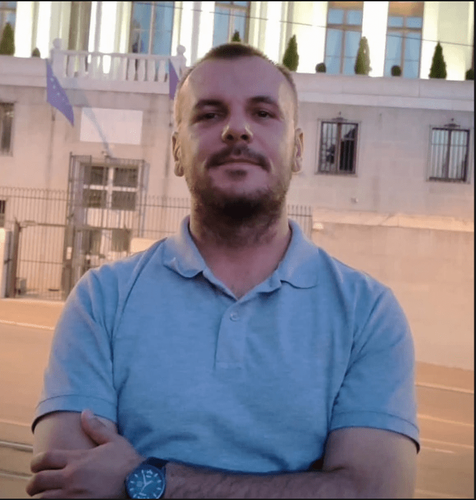
Author and Researcher on Politics and Democratization
Emir Bihorac is a political scientist, author, and researcher from Novi Pazar with experience in government institutions, international organizations, and civil society. Throughout his career, he has worked in public relations, project management, political research, and advisory roles. His main interests include European integration, political philosophy and culture, democratization, and the relationship between institutions, politics, and society.
Selected work
 Articles
Ahead of the BNC Elections: Democracy and Pluralism Before Unity, Authority, Parties and Projects
Ahead of the elections for the Bosniak National Council, Emir Bihorac examines the approaches of Bosniak political parties and proposes a different model: a non-partisan, secular and pluralistic Council that preserves Sandžak's heritage and protects the interests of all Bosniaks.
 Articles
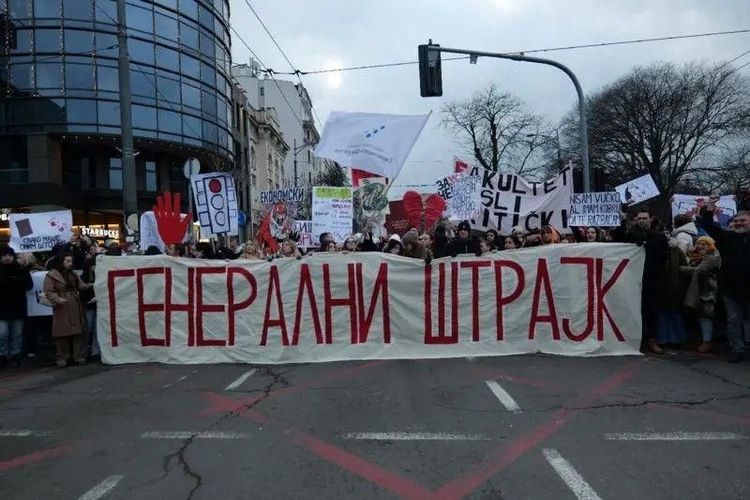
From Left-Wing Form to Right-Wing Substance: The Paradox of the Student Movement
The student movement has brought plenums, direct democracy and collective decision-making back into Serbia's political life. However, Emir Bihorac asks why workers' rights, class relations and economic democracy have been largely absent from this model. He examines how a movement using methods traditionally associated with the left may narrow the space for its development and what consequences this could have for democracy.
 Articles
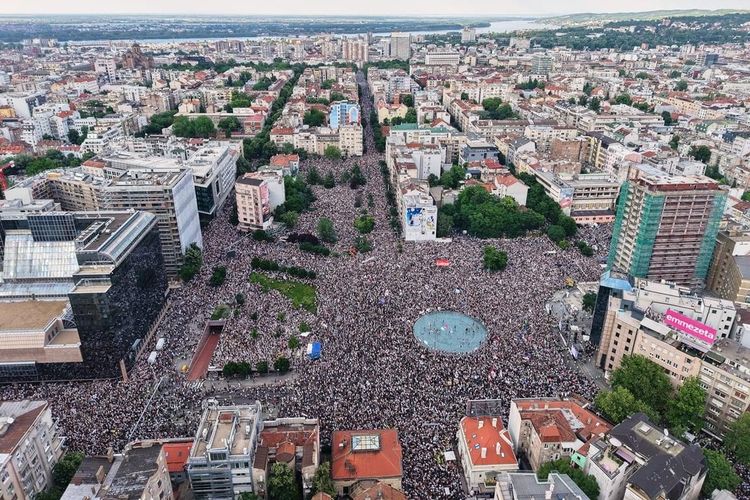
Serbia on the brink of what? Polarisation, political conflict and the myth of civil war
Emir Bihorac examines the political polarisation between supporters of the SNS and the student movement and argues that deep divisions do not mean Serbia is heading towards civil war, while warning of a longer-term erosion of the political process itself.
 Articles
From self-criticism to civilisation: How societies change when they learn to question themselves
Emir Bihorac writes about self-criticism as a civilisational skill and about societies that find it far easier to identify an external culprit than to confront their own responsibility. Through examples from Belgrade and Sandžak, universities, politics and religious institutions, the text examines the gap between knowledge, rules and their actual implementation.
Starting point
Emir Bihorac is a political scientist from Novi Pazar and a graduate of the Faculty of Political Sciences at the University of Belgrade. He has built his professional experience across government institutions, international organizations, civil society, and the private sector, working in political research, communications, project management, and public policy.
He began his career through research and monitoring of political parties’ activities during parliamentary elections in Serbia and later gained experience at the Government of Serbia’s Office for Human and Minority Rights. He spent several years working at the Bosniak National Council, where his responsibilities included public relations, communications, media relations, and event organization. He also worked as a Programme Assistant with the OSCE Mission to Serbia, supporting programme activities in Novi Pazar.
He later held project management roles in both the civil and private sectors, including managing local non-profit projects and coordinating digital projects. He also served as an adviser to the Minister at Serbia’s Ministry of Tourism and Youth, working on youth and tourism policy as well as broader political and economic issues.
His areas of interest include European integration, political philosophy and political culture, democratization, and the functioning of democratic institutions. His work is particularly concerned with how political ideas and institutional decisions are translated into public policy and how they shape citizens’ everyday lives.
Articles
Ahead of the BNC Elections: Democracy and Pluralism Before Unity, Authority, Parties and Projects
Ahead of the elections for the Bosniak National Council, Emir Bihorac examines the approaches of Bosniak political parties and proposes a different model: a non-partisan, secular and pluralistic Council that preserves Sandžak's heritage and protects the interests of all Bosniaks.
Read moreFrom Left-Wing Form to Right-Wing Substance: The Paradox of the Student Movement
The student movement has brought plenums, direct democracy and collective decision-making back into Serbia's political life. However, Emir Bihorac asks why workers' rights, class relations and economic democracy have been largely absent from this model. He examines how a movement using methods traditionally associated with the left may narrow the space for its development and what consequences this could have for democracy.
Read moreSerbia on the brink of what? Polarisation, political conflict and the myth of civil war
Emir Bihorac examines the political polarisation between supporters of the SNS and the student movement and argues that deep divisions do not mean Serbia is heading towards civil war, while warning of a longer-term erosion of the political process itself.
Read moreFrom self-criticism to civilisation: How societies change when they learn to question themselves
Emir Bihorac writes about self-criticism as a civilisational skill and about societies that find it far easier to identify an external culprit than to confront their own responsibility. Through examples from Belgrade and Sandžak, universities, politics and religious institutions, the text examines the gap between knowledge, rules and their actual implementation.
Read more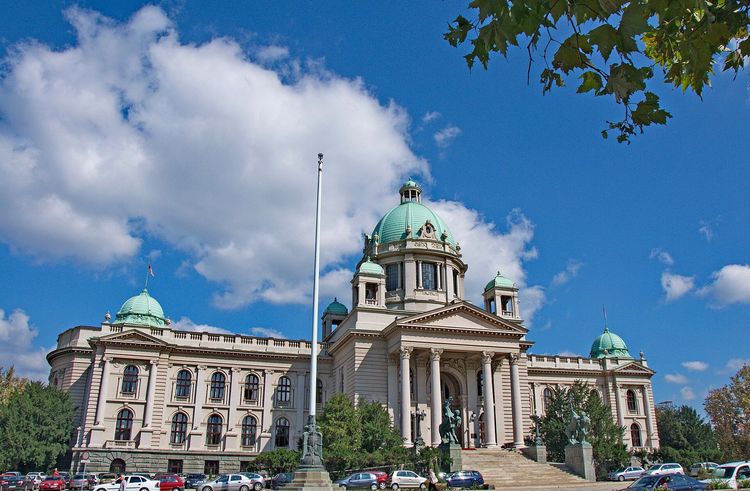
From Loyalty to Rules: How to Break with the Politics of Personal Relations
From the Habsburg and Ottoman empires to Tito, Vučić, the Student List and the European Union, Emir Bihorac traces the historical roots of a political culture in which personal and collective loyalty often remain stronger than institutions and rules.
Read more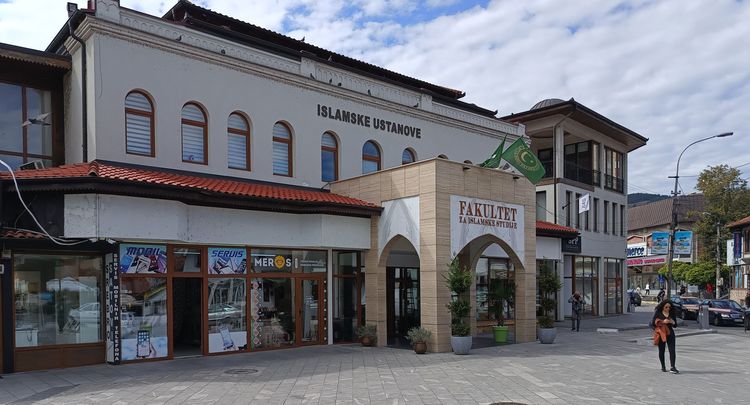
Bosniaks Between Functionality and Moral Education
Starting from Kant, the Islamic tradition and the contemporary position of Bosniaks, Emir Bihorac examines the relationship between functional institutions and the moral education of the individual, the problem of living between two models, and the question of which social direction Bosniaks, particularly in Sandžak, should choose.
Read more
Guardians of Hopelessness: How SDA Reached the Brink of Disappearing from the Political Scene
From a political movement that once brought together almost all Bosniaks in Sandžak to the third-ranked Bosniak party, Emir Bihorac analyzes how authoritarianism, the loss of voter trust, weakening in Novi Pazar and the BNV, and the exhaustion of its political narrative brought SDA Sandžak into one of the most difficult positions since its founding.
Read more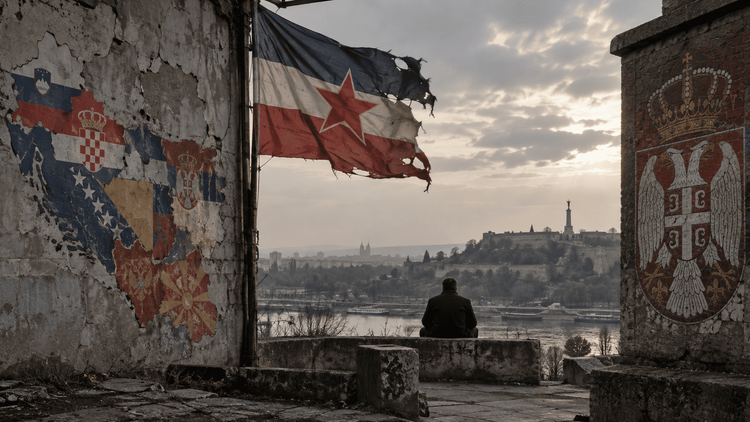
Why is Serbia a state, while the other states are former Yugoslav republics?
From the creation and collapse of Yugoslavia to succession, political memory and relations with neighbouring states, Emir Bihorac examines why Serbia is still often perceived as “the state”, while the others are reduced to “former Yugoslav republics”.
Read more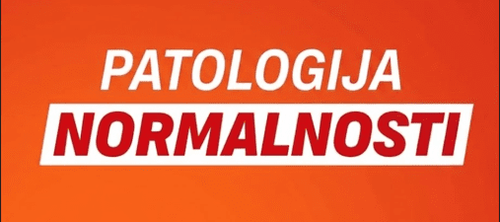
The Pathology of Normality: Why Normal People Do Not Need to Advertise Themselves as Normal
SDP in Novi Pazar is building its campaign around the messages “time for normality” and “human”. After almost two decades in local government, the question is no longer only what these slogans mean, but why normality and humanity are now being presented as something that needs to be politically proven.
Read more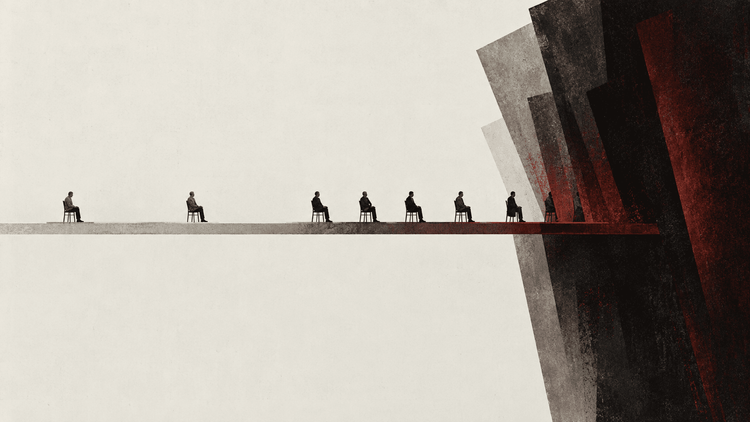
When Compromise Normalizes Extremism: How the Boundary of the Acceptable Shifts
Compromise makes sense when it is sought between positions that can be reconciled. When a “moderate middle” is sought between a fact and its denial, it can stop calming conflict and begin shifting the boundary of what society considers acceptable.
Read more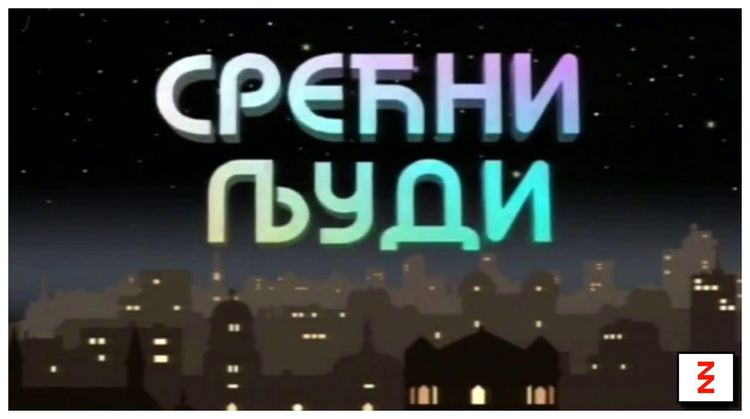
How Delusions Are Created: From “Srećni ljudi” to Moral Shortcuts
How confusing correlation with causation, from the moralization of poverty to judgments about character, guilt and responsibility, can produce stereotypes that over time become part of collective social thinking.
Read more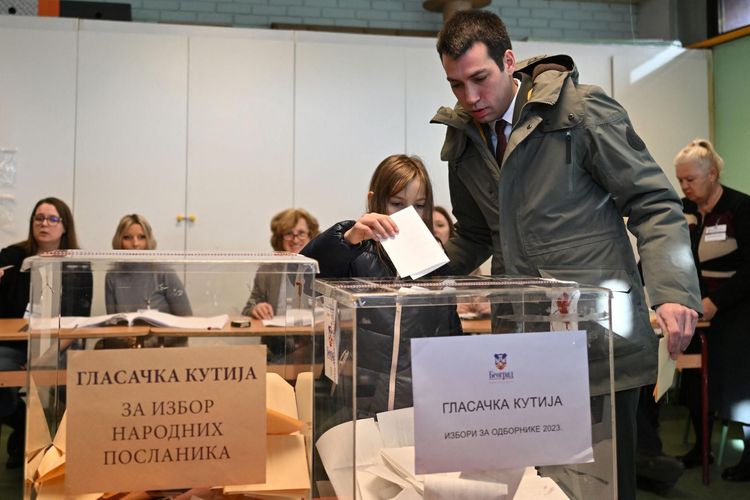
Why Bosniak Parties Are Unlikely to Decide Who Forms Serbia’s Next Government
From estimates of the Bosniak electorate and possible parliamentary seats to the political myth of the “decisive vote”: Emir Bihorac examines how much influence Bosniak parties can realistically have on the formation of Serbia’s next government.
Read more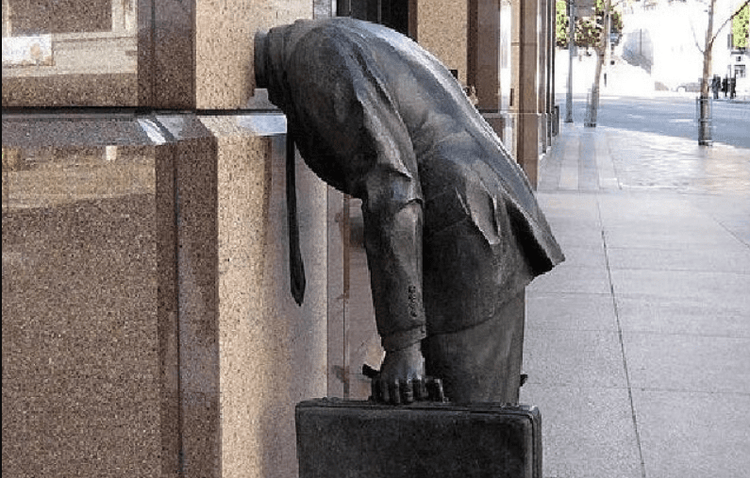
Everything passes, only self-interest is eternal: a critique of depoliticization
A critique of a society in which political positions are declared dangerous, depoliticization is presented as a virtue, and personal interest becomes the most enduring form of political power.
Read more