Bojan Branković
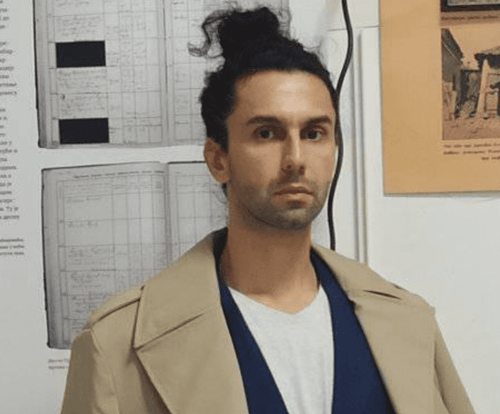
Researcher in Ecology and Public Policy
Bojan Branković is a natural sciences and public policy researcher, focusing on ecological sustainability, climate change, and environmental protection. His work connects scientific research with human rights and social inequalities, particularly issues related to the position and political empowerment of Roma communities.
Selected work
 Articles
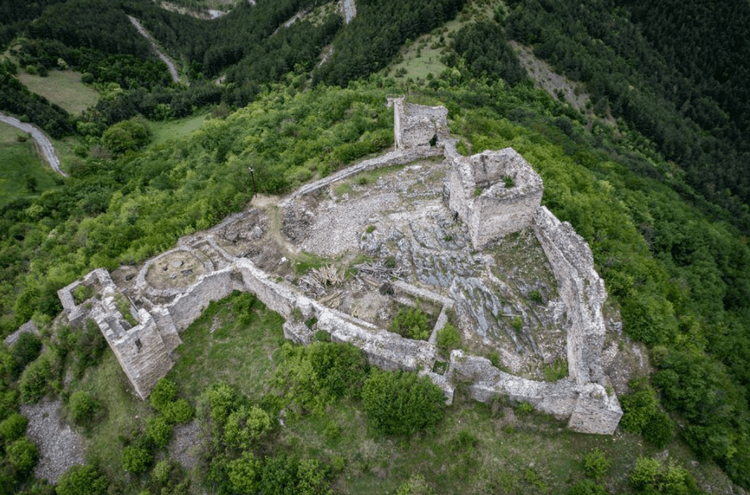
When Climate Change Threatens Monuments: What Can Software and Sensors Do?
Flash floods, extreme temperatures and moisture are posing increasingly serious threats to immovable cultural heritage. Regional climate models, smart sensors and modern conservation techniques offer new possibilities for protecting historic structures before irreversible damage occurs. But technology alone is not enough without investor accountability, clear legal frameworks and the involvement of local communities.
 Articles
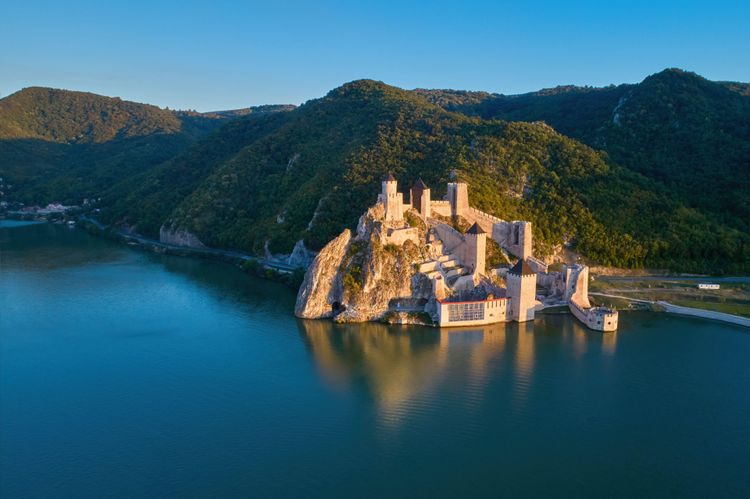
Climate Change and Its Impact on the Built Heritage and the Conservation of Cultural Identity in Serbia
From floods, droughts and temperature extremes to stone erosion and soil instability, climate change is increasingly threatening immovable cultural heritage. This article examines how monitoring, modern technologies, legal protection and local communities can contribute to preserving Serbia’s cultural identity.
 Articles
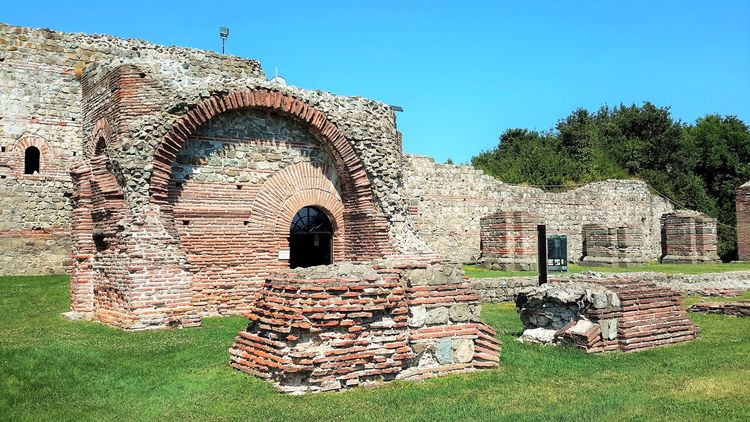
Climate Is Eroding History: How to Protect Serbia’s Cultural Heritage
From temperature fluctuations and flash floods to droughts and changing humidity, climate extremes are increasingly damaging monuments, archaeological sites and historic areas across Serbia. Protecting heritage therefore depends on data, local monitoring, new technologies and institutions capable of acting before damage becomes irreversible.
Starting point
Bojan Branković is a natural sciences professional and public policy researcher with a Master’s degree in Natural Sciences. His professional and research work focuses on ecological sustainability, environmental monitoring, and the dynamics of climate systems, including statistical analysis of climate parameters, environmental impact assessment, and the application of research methodologies in the fields of ecology and sustainable development.
His work combines empirical data analysis, the study of scientific literature, and systems-based planning, with particular emphasis on methodological precision and research reliability.
At the same time, a significant part of his engagement is dedicated to the social and political empowerment of marginalized communities, particularly Roma communities. He approaches environmental degradation and the consequences of climate change not only as environmental issues, but also as matters of social justice and human rights, as their impacts disproportionately affect communities that already have limited access to institutions, resources, and political decision-making.
By connecting scientific research with human rights advocacy and public policy, he works on the development of green skills, the economic empowerment of communities, and the creation of more inclusive institutional and policy frameworks. His work is grounded in the idea that sustainable development is not possible without meaningful citizen participation in institutions and decision-making processes.
Articles
When Climate Change Threatens Monuments: What Can Software and Sensors Do?
Flash floods, extreme temperatures and moisture are posing increasingly serious threats to immovable cultural heritage. Regional climate models, smart sensors and modern conservation techniques offer new possibilities for protecting historic structures before irreversible damage occurs. But technology alone is not enough without investor accountability, clear legal frameworks and the involvement of local communities.
Read moreClimate Change and Its Impact on the Built Heritage and the Conservation of Cultural Identity in Serbia
From floods, droughts and temperature extremes to stone erosion and soil instability, climate change is increasingly threatening immovable cultural heritage. This article examines how monitoring, modern technologies, legal protection and local communities can contribute to preserving Serbia’s cultural identity.
Read moreClimate Is Eroding History: How to Protect Serbia’s Cultural Heritage
From temperature fluctuations and flash floods to droughts and changing humidity, climate extremes are increasingly damaging monuments, archaeological sites and historic areas across Serbia. Protecting heritage therefore depends on data, local monitoring, new technologies and institutions capable of acting before damage becomes irreversible.
Read more