Archive
This is where the publication becomes a record: every published story stays searchable, filterable and editorially legible.
Search stories
From the archive
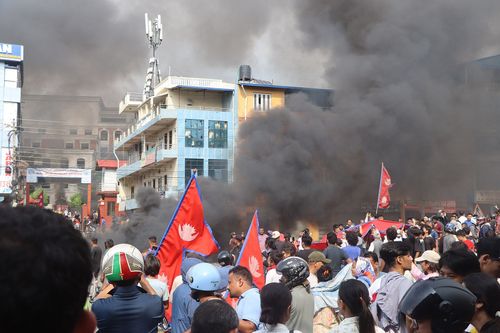
Why Do We Cheer for Violence We Watch Through a Screen?
In Tirana, rubbish bins are burning, traffic lights are being smashed and protesters are clashing with police. On social media, some viewers greet these scenes with enthusiasm. We saw similar reactions during protests in Serbia, and last year in Nepal. Why do we feel the need to see violence as proof that something is finally changing? And how willing would we be to support it if, instead of holding a phone, we were standing in front of a police cordon?
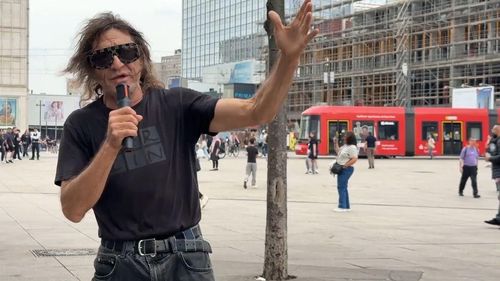
Twenty Minutes of Being Human
What happens when strangers stop seeing one another as political categories, profiles and members of the “other side” for twenty minutes and simply dance together? A Berlin street performance opens a much larger question: how much do societies need spaces where people can simply be together without arguing, buying or needing an enemy?
Results: 5
Why Do We Cheer for Violence We Watch Through a Screen?
In Tirana, rubbish bins are burning, traffic lights are being smashed and protesters are clashing with police. On social media, some viewers greet these scenes with enthusiasm. We saw similar reactions during protests in Serbia, and last year in Nepal. Why do we feel the need to see violence as proof that something is finally changing? And how willing would we be to support it if, instead of holding a phone, we were standing in front of a police cordon?
Twenty Minutes of Being Human
What happens when strangers stop seeing one another as political categories, profiles and members of the “other side” for twenty minutes and simply dance together? A Berlin street performance opens a much larger question: how much do societies need spaces where people can simply be together without arguing, buying or needing an enemy?
The Pathology of Normality: Why Normal People Do Not Need to Advertise Themselves as Normal
SDP in Novi Pazar is building its campaign around the messages “time for normality” and “human”. After almost two decades in local government, the question is no longer only what these slogans mean, but why normality and humanity are now being presented as something that needs to be politically proven.
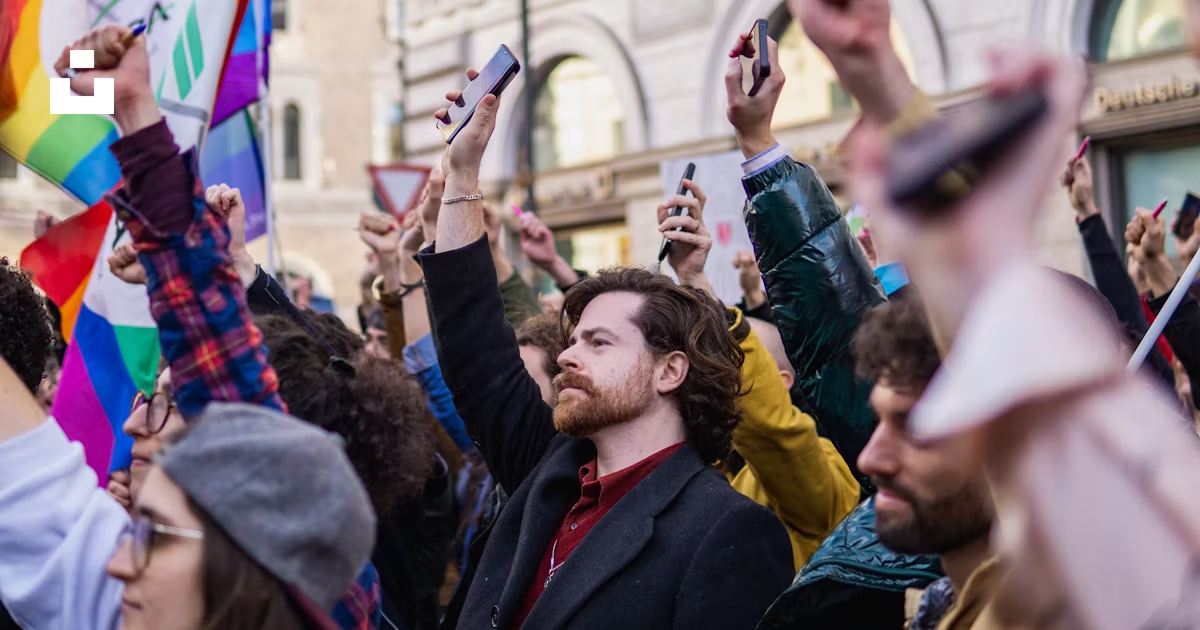
Why the Public Demands Revenge Before Facts
After a crime, disaster or public scandal, facts arrive slowly while verdicts come quickly. Anger demands a name, a face and punishment, while the media, social networks and politicians often reward the version of events that is first to provide someone to blame.
How Delusions Are Created: From “Srećni ljudi” to Moral Shortcuts
How confusing correlation with causation, from the moralization of poverty to judgments about character, guilt and responsibility, can produce stereotypes that over time become part of collective social thinking.